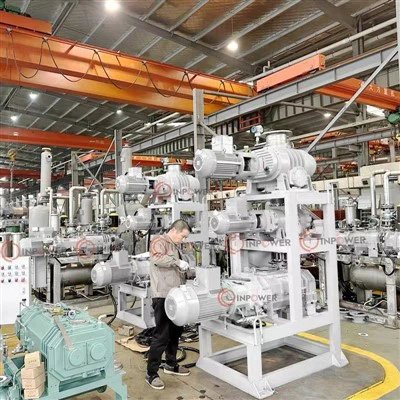
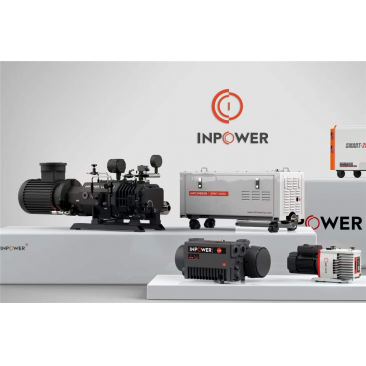
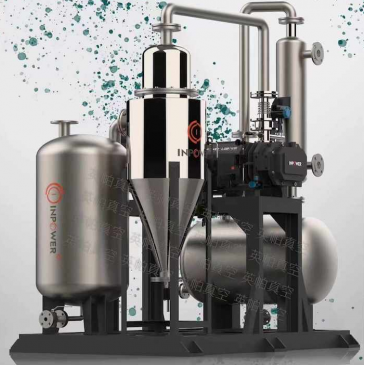
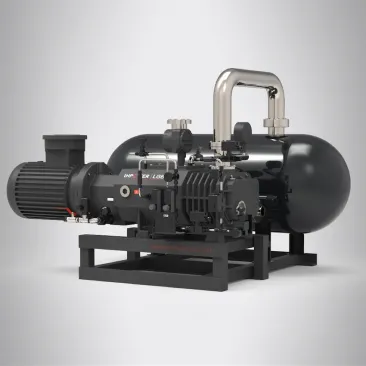
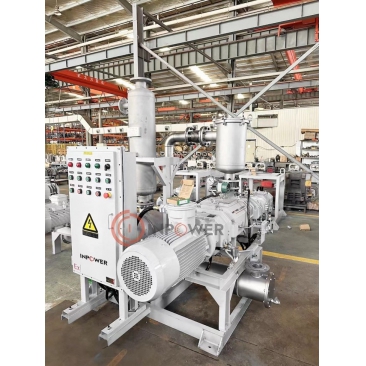
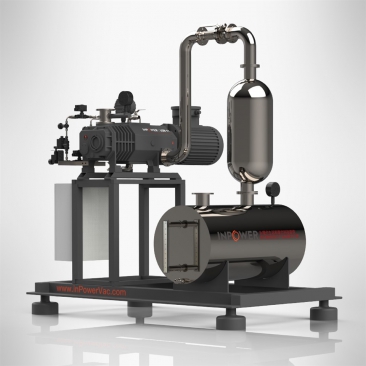
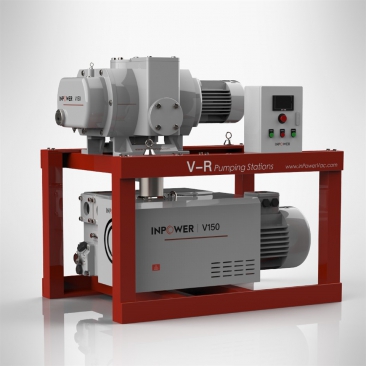
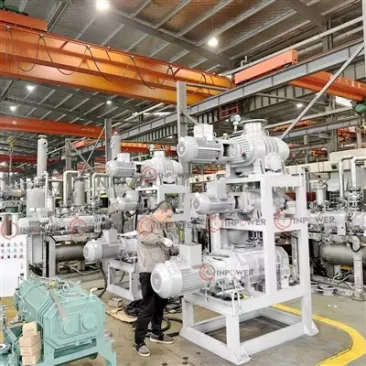
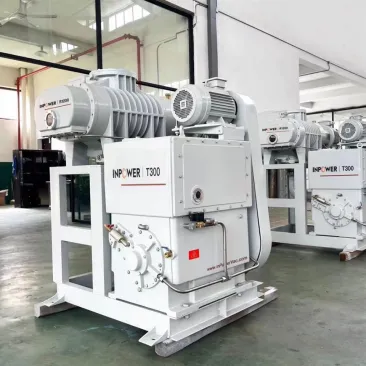
inpower vacuum condensate return systems is the primary purpose of a vacuum condensate return system is to collect and return condensed steam (condensate) from various processes operating under vacuum conditions. This condensate typically contains valuable heat energy that can be recovered and reused, thereby improving energy efficiency and reducing operational costs.
Condensate Collection Points: These are strategically placed at different process equipment where condensate is formed due to cooling of process vapors or gases.
Vacuum Receiver Tank: This tank collects the condensate from multiple collection points. It acts as a buffer to ensure a steady supply of condensate to the return system.
Condensate Pump: This pump is used to return the collected condensate back to the steam system or boiler for reuse. It may be a centrifugal pump or another type suitable for pumping condensate.
Control System: Typically includes level controls in the receiver tank to start and stop the condensate pump based on the level of condensate present.
Heat Exchanger (Optional): In some systems, a heat exchanger may be used to recover additional heat from the condensate before it is returned to the boiler. This improves overall energy efficiency.

Condensate Collection: As the vacuum pump operates, it creates low-pressure conditions which cause steam to condense into liquid condensate.
Collection and Storage: The condensate is collected at various points and flows into the vacuum receiver tank. Here, it accumulates until it reaches a certain level.
Return to Boiler: The condensate pump then activates based on level controls, pumping the condensate back to the steam system or boiler. This completes the condensate return loop.
Energy Efficiency: Recovering and reusing condensate reduces the amount of new steam generation required, saving energy and operational costs.
Water Conservation: Minimizes water usage by returning condensed steam (condensate) rather than allowing it to be lost or wasted.
Process Efficiency: Helps maintain optimal conditions within the vacuum system by removing condensed liquids promptly.
System Design: Proper sizing and design are critical to ensure efficient operation and prevent issues such as air binding (where air accumulates and prevents proper condensate drainage).
Maintenance: Regular maintenance of pumps, controls, and the overall system is essential to ensure reliable operation and longevity.