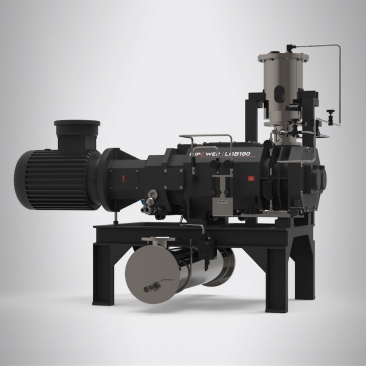
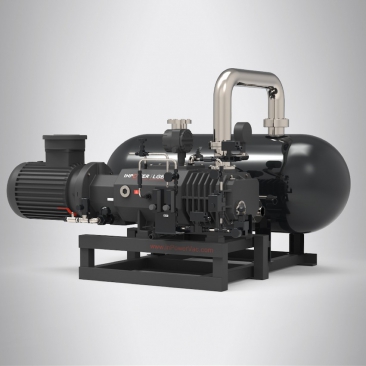
Zhejiang Yingpa Electromechanical Co., Ltd
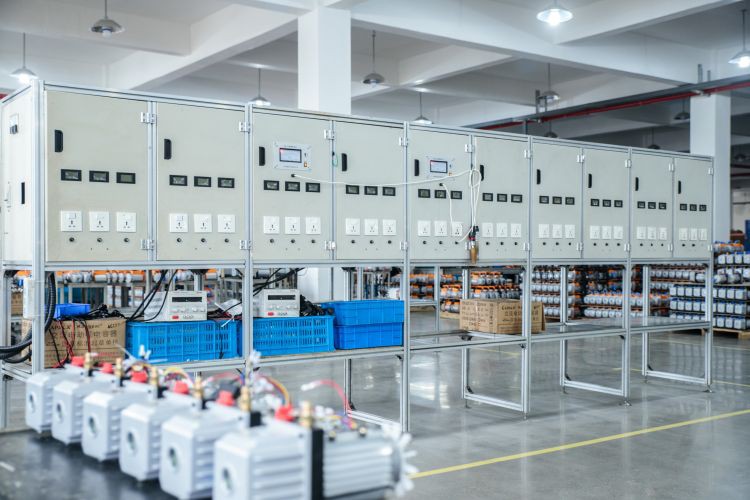
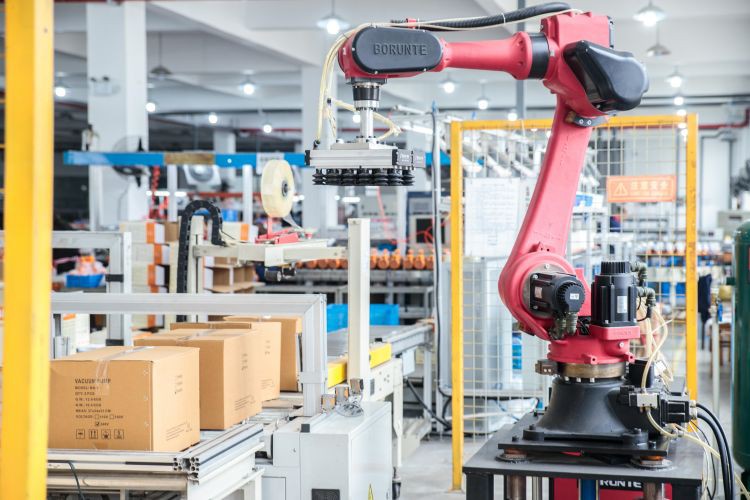
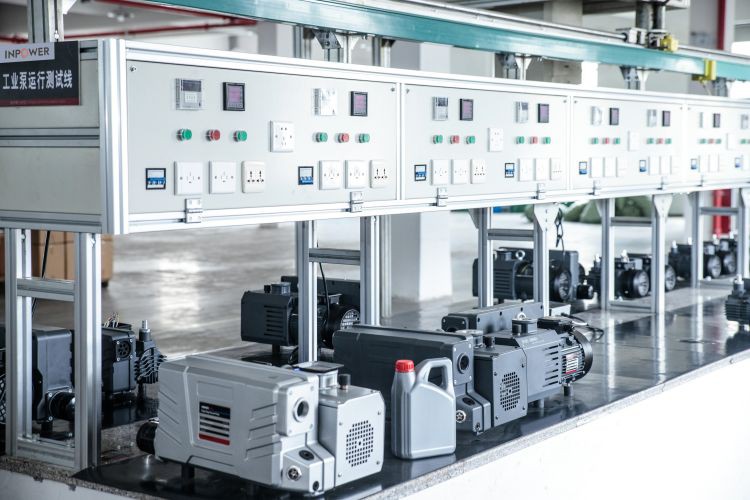
InPowerVac since 2000,currently mainly produces and sells rotary vane vacuum pumps, dry screw vacuum pumps, Roots vacuum pumps, and vacuum units. At present, the company has 92 sets of processing equipment, including 30 sets of imported processing equipment. It has complete inspection and monitoring equipment, material tensile physics laboratory, vacuum testing room, dynamic balance laboratory, three coordinate and other high-end equipment.
Why Choose Us?
Advanced Equipment
InPowerVac has been committed to the research, development, production, sales, and maintenance and installation services of vacuum equipment, providing highly reliable vacuum products and solutions in fields such as lithium batteries, semiconductors, power, new materials, glass, laboratory instruments.
Factory
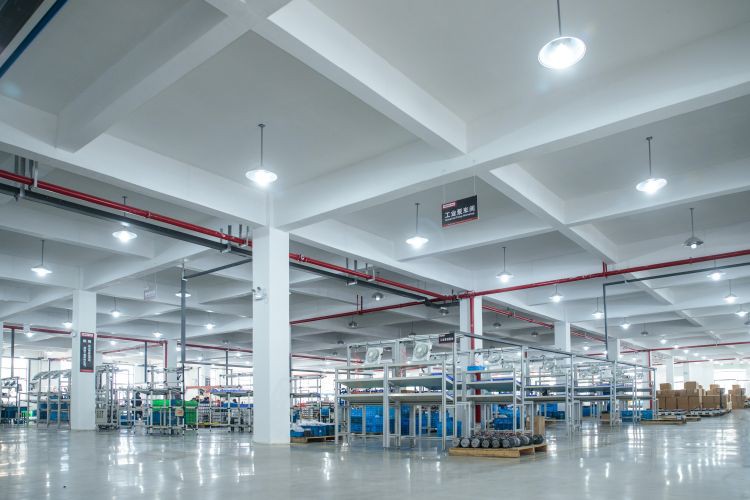
InPowerVac currently has two production bases in Zhejiang and Hebei. In 2023, we will purchase another production plant in Taizhou, Zhejiang, covering an area of squa70000 re meters.
Rich Experience
We are constantly developing and optimizing our company's products, and we always insist on creating value for our customers, especially in some special fields.
Professional Team
With the precipitation of time and persistence in quality, inPowerVac now has a number of mature production lines and continuous technological innovation capabilities, and is determined to become a leader in vacuum technology in China and even in the world.
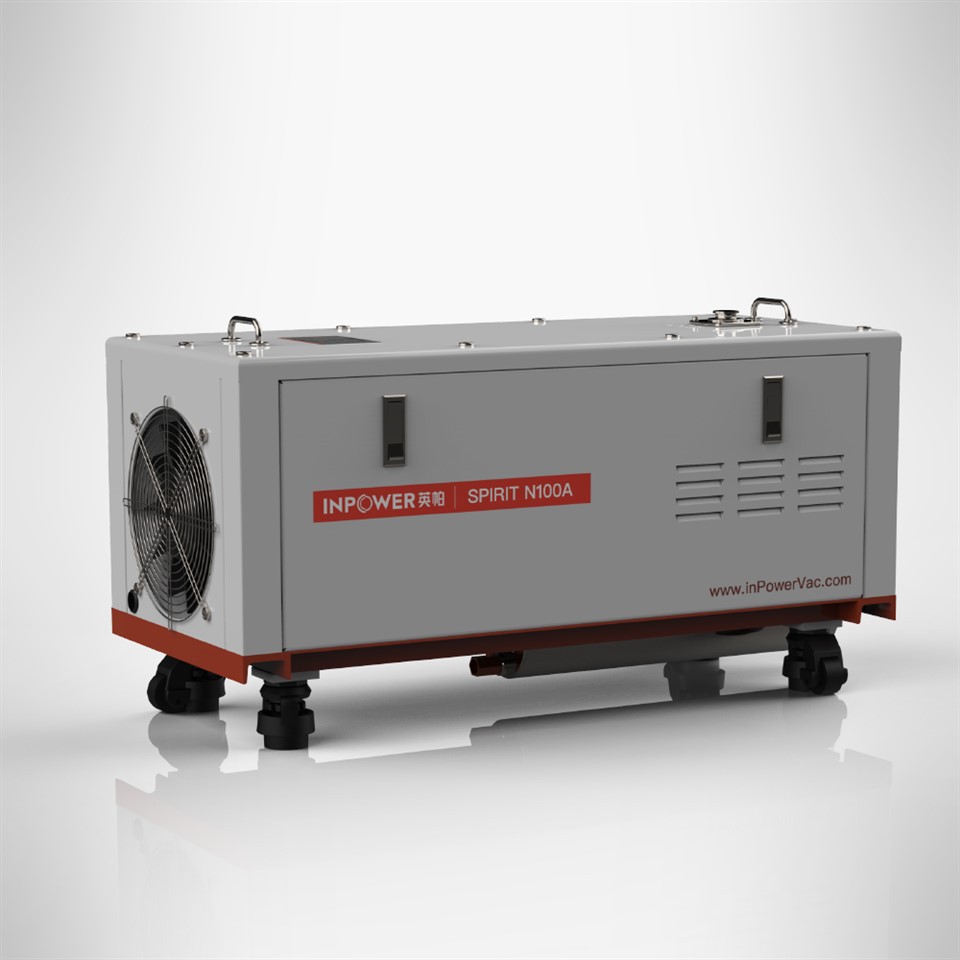
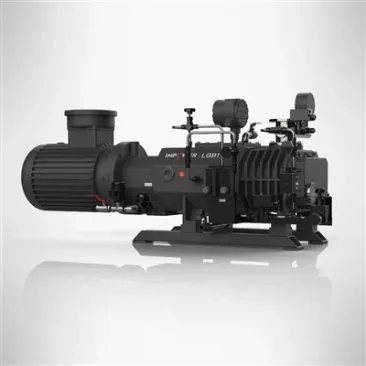
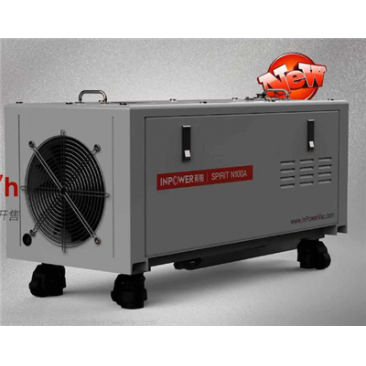
Air-Cooled Dry Screw Vacuum Pumps
InPower Air-cooled Dry Screw Vacuum Pumps, Extremely low noise, high reliability quality, and air cooling are the preferred products in laboratory research, semiconductor industry, plasma cleaning, instrument and equipment fields.
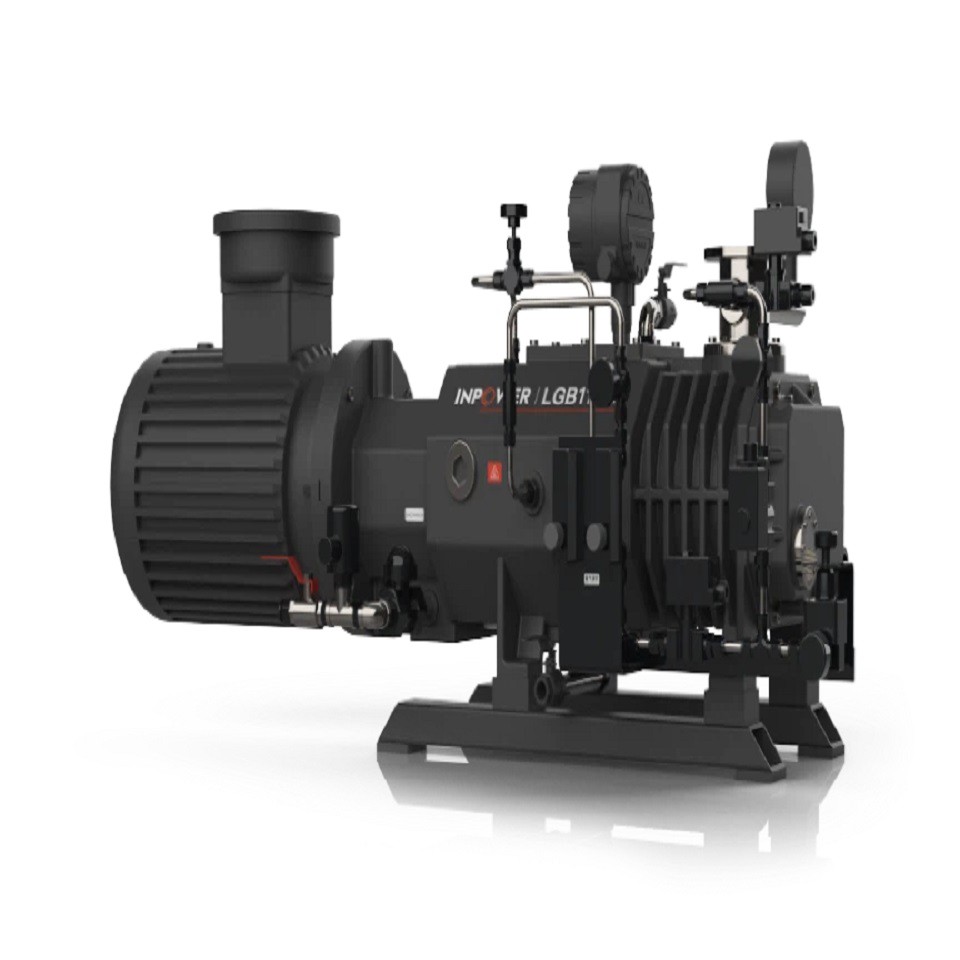
Chemical Resistant Vacuum Pump
InPower chemical resistant vacuum pump are specifically designed to handle corrosive gases and vapors, making them suitable for applications where standard vacuum pumps may not be able to withstand exposure to aggressive chemicals.
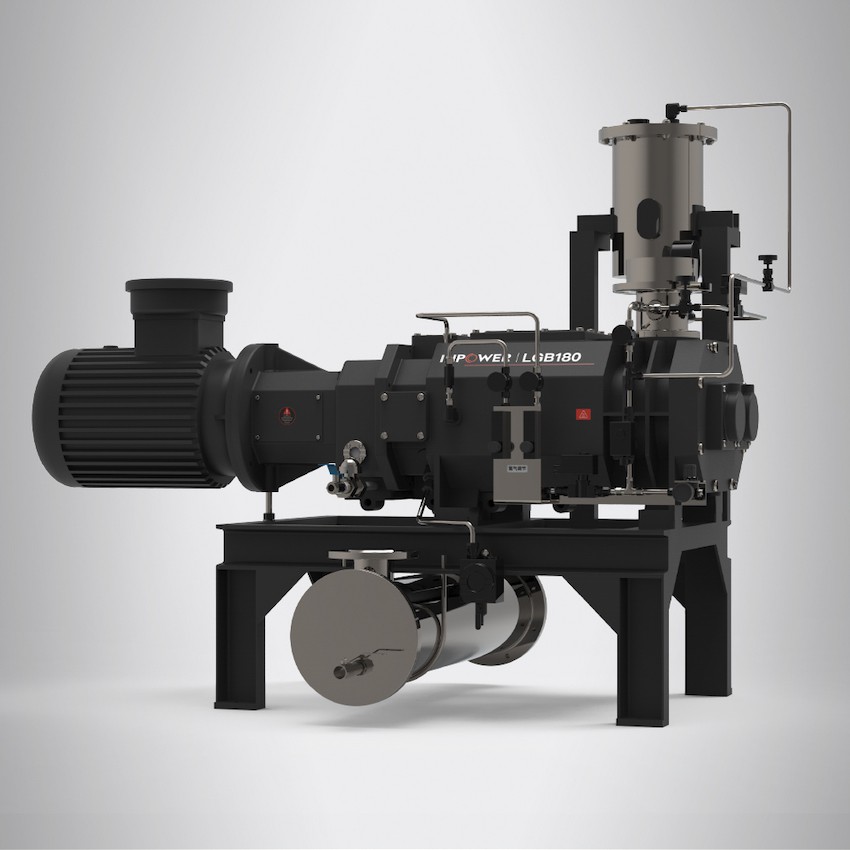
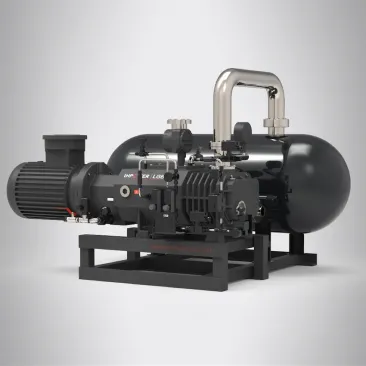
Water Cooled Dry Screw Vacuum Pump
InPower water cooled dry screw vacuum pump are a type of vacuum pump that combines the benefits of dry screw technology with water cooling to enhance performance and efficiency.
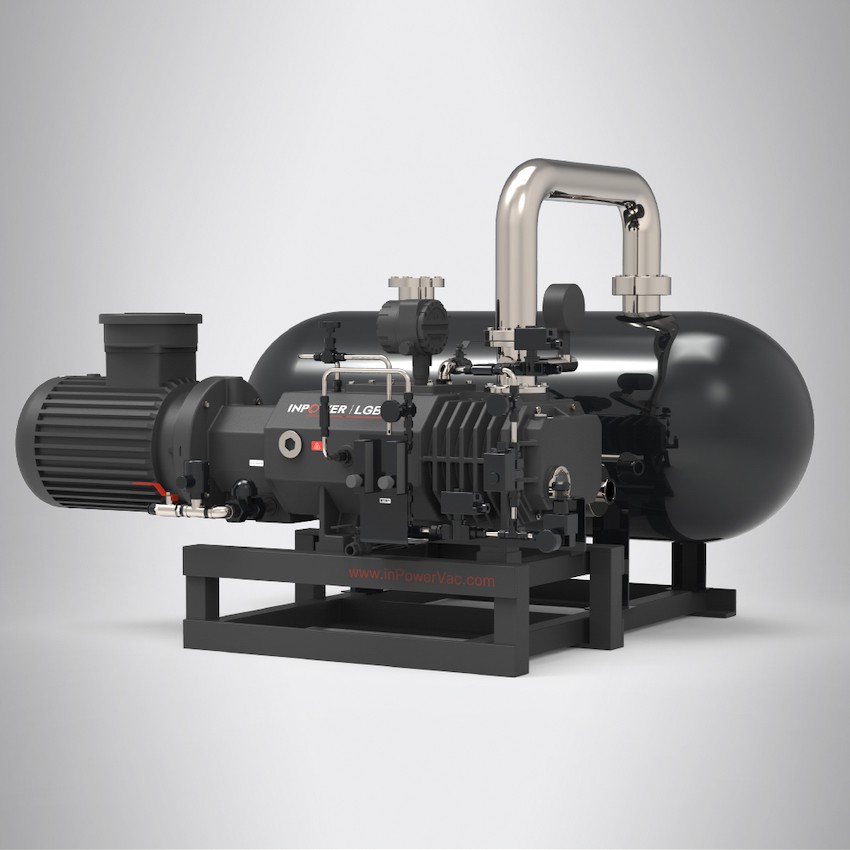
InPower Dry vane Vacuum pump used in the semiconductor industry to create a clean and dry vacuum environment. find a wide range of applications in the semiconductor industry due to their cleanliness, reliability, and efficiency.
InPower Medical gas vacuum pumps play a vital role in various healthcare settings by providing reliable suction for medical applications. These specialized vacuum pumps are designed to meet the specific requirements of medical facilities, ensuring safe and efficient operation for tasks such as suctioning fluids, waste disposal, and medical gas delivery.
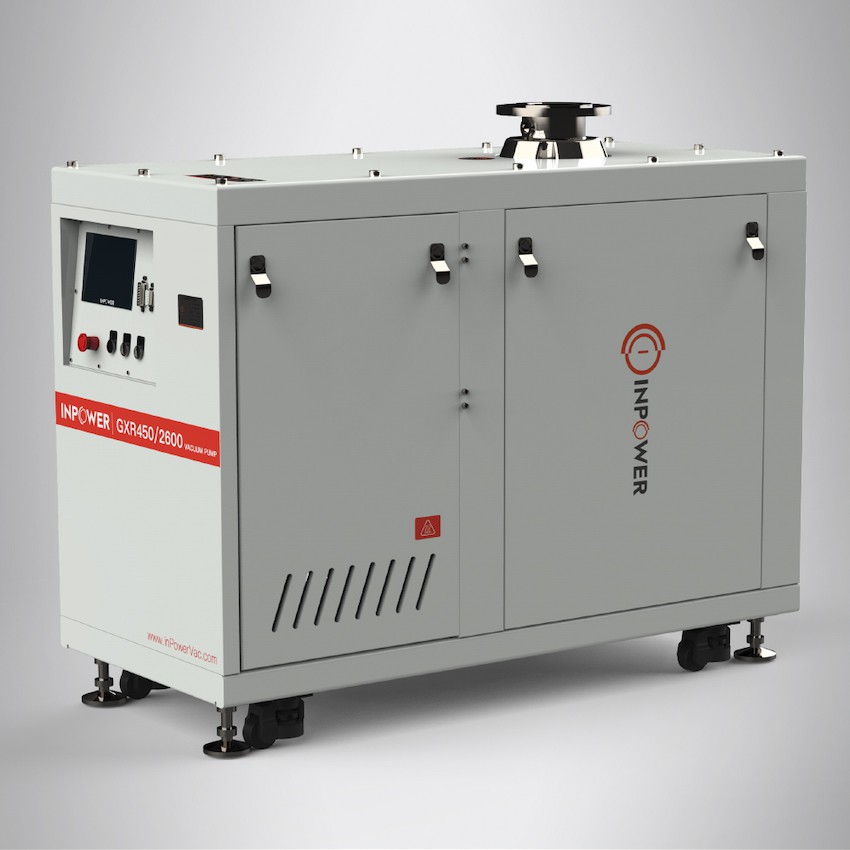
Dry Semiconductor Vacuum Pumps
Inpower Dry semiconductor vacuum pumps are specialized pumps used in the semiconductor industry to create a clean and dry vacuum environment.
InPower Medical gas vacuum pumps play a vital role in various healthcare settings by providing reliable suction for medical applications.

Additionally, vacuum systems contribute to maintaining high product quality, meeting industry standards, and adhering to environmental regulations within the chemical manufacturing sector.
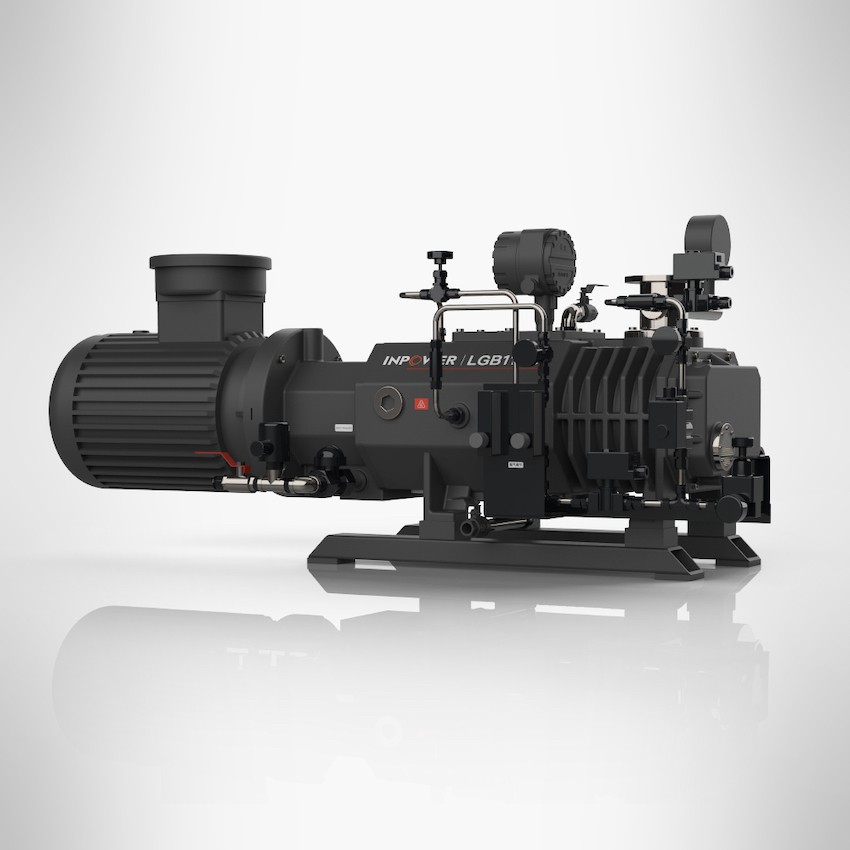
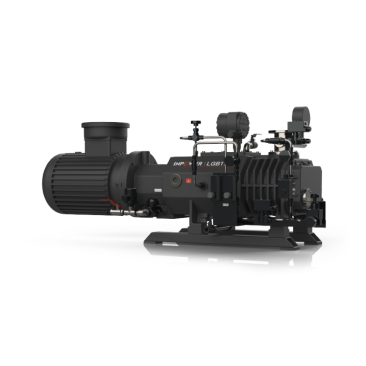
InPower Oil free screw vacuum pump is through driving & driven rotor rotating to enlarge the sealed suction section to inhale gas . After the pumped gas enter into pump chamber, the sealed section will move from suction end to discharge end along with the driving & driven rotor rotation, pressure rises steadily and there is no intermediate exhaust phenomenon.When sealed space is connected to discharge port, the gas in the discharge passage is backlash into the pump chamber, causing the gas pressure and temperature in the pump chamber rising, and producing airflow noise.With the pump continues working,volume of sealed space begins to become smaller and smaller and the gas in the pump chamber is continuously discharged.There is free-oil lubrication for pump chamber . So it can get a clean vacuum. Anti-corrosion should be done when screw vacuum pump suck corrosive gases.
Oil Free Screw Vacuum Pump are positive displacement pumps that consist of two mating screw rotors that rotate in opposite directions; this rotation is what moves the trapped air/gas along the length of the screws. As the trapped gas moves along the screws, it becomes compressed and is eventually discharged on the opposite end. It's important to note that these vacuum pumps are designed to have no metal-to-metal contact within the pump housing, which results in minimal wear on the pump and less equipment overhauls.
Screw pumps can be either oil-sealed or dry. Oil-sealed screw pumps use oil for lubrication, sealing, and cooling purposes; they are ideal for rough vacuum applications that have no clean vacuum requirements, including woodworking and plastics. Dry screw pumps do not use oil/lubricant in the chamber. Rather, these are typically air-cooled and are free of any oil emissions, and can also achieve higher vacuum than oil-sealed screw pumps.
Benefits of Oil Free Screw Vacuum Pump
Easy Maintenance & Quiet Operation
Unlike other vacuum pumps, oil free screw vacuum pump require minimal maintenance due to their simple design and fewer moving parts. This translates into hassle-free operation and a longer lifespan. In addition, these pumps operate quietly, making them ideal for use in noise-sensitive areas like hospitals and laboratories. The low noise levels also mean that they can be installed in close proximity to work areas without causing disruptions.
Wide Operating Range
Oil free screw vacuum pump offer a wide operating range, making them well-suited for various applications and industries. These pumps can operate at low pressures and handle both dry and wet gases with ease. With high pumping speeds, they can evacuate gases quickly, saving users valuable time. Moreover, oil free screw vacuum pump are energy-efficient and require lower power consumption than other types of vacuum pumps.
Reliable Performance
Oil free screw vacuum pump are known for their reliable and consistent performance over a wide range of operating conditions. Their screw design allows for efficient operation with lower energy consumption and reduced maintenance requirements, making them an ideal choice for many industrial vacuum needs. In addition, oil free screw vacuum pump can handle a variety of gases and vapors, making them suitable for diverse applications in various sectors, such as food, metallurgy, and architecture.
Oil-free Vacuum for Industrial Applications
Oil free screw vacuum pump are an excellent choice for industrial applications that require an oil-free vacuum. These pumps are designed to handle wet and dry materials, making them versatile and effective. Additionally, they eliminate the risk of oil contamination in sensitive applications like food processing or pharmaceuticals.
Steel Degassing: In the steel industry, the use of oil free screw vacuum pump for degassing processes is crucial. These pumps play a vital role in removing impurities and unwanted gases from molten steel, resulting in the production of high-quality steel with desired properties. The innovative design of oil free screw vacuum pump allows them to operate at high vacuum levels and provide efficient degassing by pumping speeds. This ensures the reduction of gas content, leading to an overall improvement in the quality of steel products. The industrial application of oil free screw vacuum pump in steel degassing is an ideal solution to achieve the desired steel properties through the compression and removal of unwanted gases.
Vacuum Furnaces: Vacuum furnaces are crucial in industries such as aerospace, medical devices, and electronics. They create and maintain a vacuum environment essential for various processes. Oil free screw vacuum pump play a vital role in this setup. These positive displacement pumps use a unique pumping mechanism to compress the gas and achieve high vacuum levels. The compression of the gas is facilitated by the rotational movement of the screw rotors, which operate in opposite directions within a tight clearance. This innovative design enables the pump to handle high temperatures and process contamination effectively. It also ensures efficient pumping speed and ultimate pressures. However, maintenance and troubleshooting are important to optimize performance. Regular inspection of shaft seals, bearings, and the pump housing, as well as monitoring discharge temperatures and lubrication, can help prevent issues. By understanding the different types of oil free screw vacuum pump and their advantages and disadvantages, industries can make informed decisions for their specific vacuum furnace applications.
Vacuum Coating: In vacuum coating processes, a crucial component is the screw vacuum pump. These pumps utilize two intermeshing screws to compress gas and create a vacuum environment. With their innovative design, oil free screw vacuum pump offer high pumping speeds and low noise levels, making them ideal for various applications, including electronics, optics, and automotive industries. The thin film deposition achieved through vacuum coating plays a vital role in enhancing product performance and aesthetics. To ensure optimal performance and longevity, proper maintenance and cleaning of oil free screw vacuum pump are essential. By adhering to these maintenance practices, process contamination can be minimized, allowing for efficient and reliable operation. Oil free screw vacuum pump are undoubtedly an integral part of the vacuum coating process, facilitating the creation of high-quality and precise coatings.
An oil-free screw is a type of vacuum pump that uses a pair of intermeshing screws, or rotors, to compress and evacuate gases. Unlike other types of vacuum pumps, oil-free screws do not use oil for lubrication or sealing. Instead, the rotors are designed and manufactured to operate without the need for oil, resulting in a clean and efficient vacuum pump that can handle high water vapor loads.
The operation of an oil-free screw vacuum pump begins when the rotors are driven by an electric motor. As the rotors rotate, they create pockets of gas within the pump housing. These pockets of gas are then compressed and evacuated as the rotors continue to rotate.
One of the key features of an oil-free screw vacuum pump is the design of the rotors. The rotors are typically made of a high-strength, low-friction materials such as cast iron or anodized aluminum. This allows the rotors to operate without the need for lubrication, reducing friction and wear.
Another important feature of oil-free screw vacuum pumps is the use of a dynamic seal. Because there is no oil used for lubrication or sealing, an oil-free screw vacuum pump must use an alternative method to seal the rotors and prevent the escape of gases. This is typically achieved using a dynamic seal, which is a flexible seal that moves with the rotors and maintains a tight seal around the rotors. The addition of purge gas at the sealing points can provide additional protection in harsh applications.
Oil free screw vacuum pump is generally twin-screw structure. Screw type vacuum pump is a kind of pumping equipment which is driven by a pair of asymmetric screw rotors in the pump cavity in a synchronous and high-speed reverse operation, and periodically changing the volume between teeth.
Its main structure includes screw rotor, bearing, pump body, seal, etc. After fine dynamic balance correction, the screw rotor is supported by bearings and installed in the pump cavity. The screw and screw maintain a strict clearance. When the pump works, there is no friction between each other, the operation is stable, the noise is low, and there is no need for lubricating oil in the cavity. Therefore, the oil free screw vacuum pump can remove large amounts of water vapor and a small amount of dust. It has the advantages of high vacuum limit, low power consumption, energy saving and maintenance free.
Long lines within a lead which can complete suction, compression, exhaust process, less lead, which can effectively reduce the volume and weight of the pump, apply to the field of large pumping speed, but its complex type line, need special props and special.
There is no compression in the cavity of uniform pitch oil free screw vacuum pump, which can easily discharge solid particles and condensable gases, but its exhaust temperature and energy consumption are high. Variable pitch oil free screw vacuum pump cavity has compression, low exhaust temperature, low energy consumption, but dust particles and condensable gas tolerance is not as good as equal pitch.
When purchasing an oil free screw vacuum pump, you must first determine the vacuum required to work, otherwise, the vacuuming requirements will not be met, and the work requirements will not be met. Under its working pressure, the vacuum pump should be able to exhaust all the gas generated during the process of the vacuum equipment. Combine the vacuum pump correctly.
The pumping rate should be slightly greater than the required pumping rate when selecting the model. If the demand is high, the vacuum pump selected should be higher than the required vacuum, so that it can better meet the requirements. The different pump has different working pressure ranges. Finally, look at whether the extracted gas is corrosive, corrosive gas will corrode the pump, and special materials must be used to meet the demand.
● Check the oil free screw vacuum pump pipeline and joints for looseness. Turn the oil-free vacuum pump by hand to see if the oil-free vacuum pump is flexible.
● Unscrew the water diversion screw plug of the oil-free vacuum pump body, and pour water diversion or slurry diversion.
● Close the gate valve of the outlet pipe, the outlet pressure gauge, and the inlet vacuum gauge.
● Turn on the motor. When the oil-free vacuum pump is running normally, open the outlet pressure gauge and the inlet oil-free vacuum pump. Open the gate valve slowly and check the motor load, after proper pressure is shown.
● Try to control the flow and head of the oil free screw vacuum pump with in the range indicated on the label to ensure that the oil-free vacuum pump runs at the rate point to achieve great energy-saving effects.
● During the operation of the oil free screw vacuum pump, the bearing temperature should not exceed the ambient temperature of 35℃, and the temperature should not exceed 80℃.
● If an abnormal sound is found in the oil-free vacuum pump, stop immediately and check the cause.
● To stop using the oil free screw vacuum pump, first close the gate valve and pressure gauge, and then stop the motor.
Our Factory
In 2019, inPowerVac conformed to the times, completed the handover of new and old leaders, started its own brand global trade and brand strategy, established the inPowerVac brand, and began to sell in the global market. Although we are constantly innovating, we still insist on producing high-reliability vacuum products.