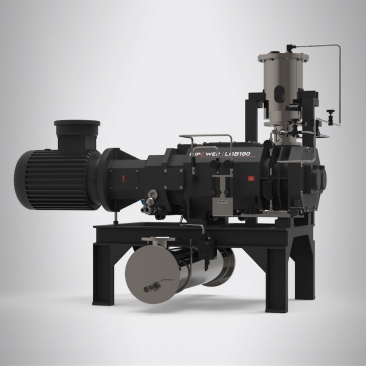
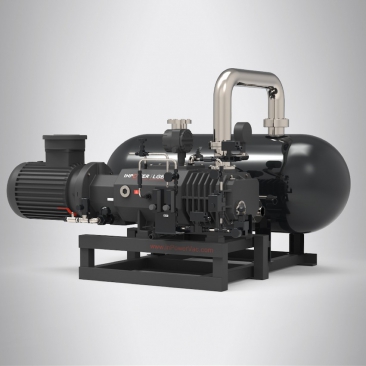
Zhejiang Yingpa Electromechanical Co., Ltd
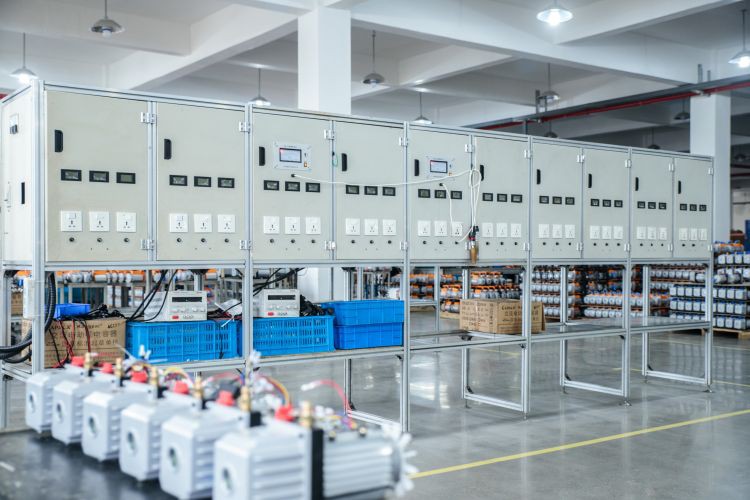
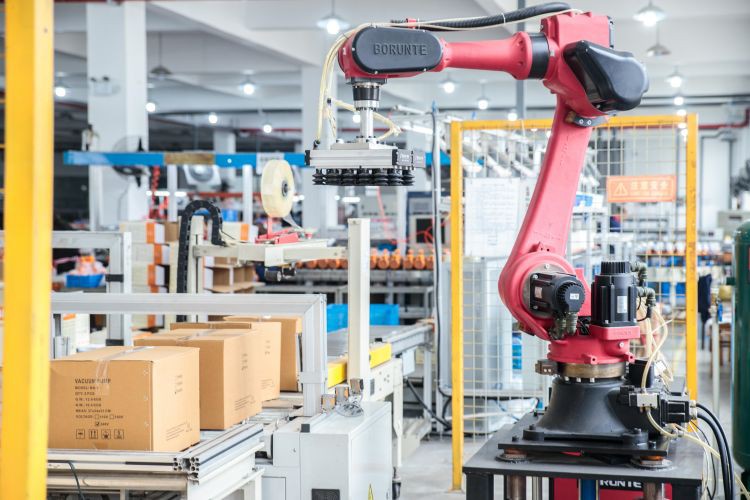
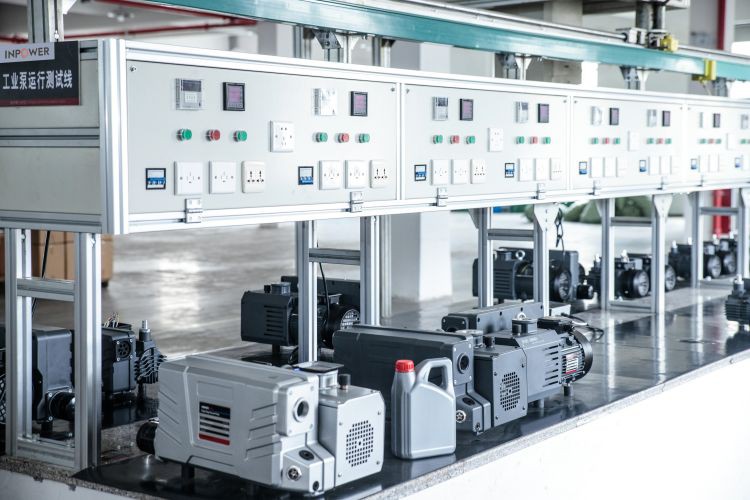
InPowerVac since 2000,currently mainly produces and sells rotary vane vacuum pumps, dry screw vacuum pumps, Roots vacuum pumps, and vacuum units. At present, the company has 92 sets of processing equipment, including 30 sets of imported processing equipment. It has complete inspection and monitoring equipment, material tensile physics laboratory, vacuum testing room, dynamic balance laboratory, three coordinate and other high-end equipment.
Why Choose Us?
Advanced Equipment
InPowerVac has been committed to the research, development, production, sales, and maintenance and installation services of vacuum equipment, providing highly reliable vacuum products and solutions in fields such as lithium batteries, semiconductors, power, new materials, glass, laboratory instruments.
Factory
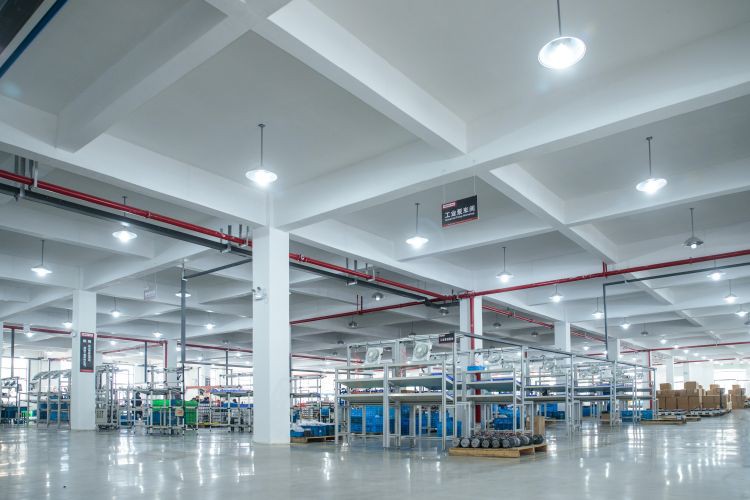
InPowerVac currently has two production bases in Zhejiang and Hebei. In 2023, we will purchase another production plant in Taizhou, Zhejiang, covering an area of squa70000 re meters.
Rich Experience
We are constantly developing and optimizing our company's products, and we always insist on creating value for our customers, especially in some special fields.
Professional Team
With the precipitation of time and persistence in quality, inPowerVac now has a number of mature production lines and continuous technological innovation capabilities, and is determined to become a leader in vacuum technology in China and even in the world.
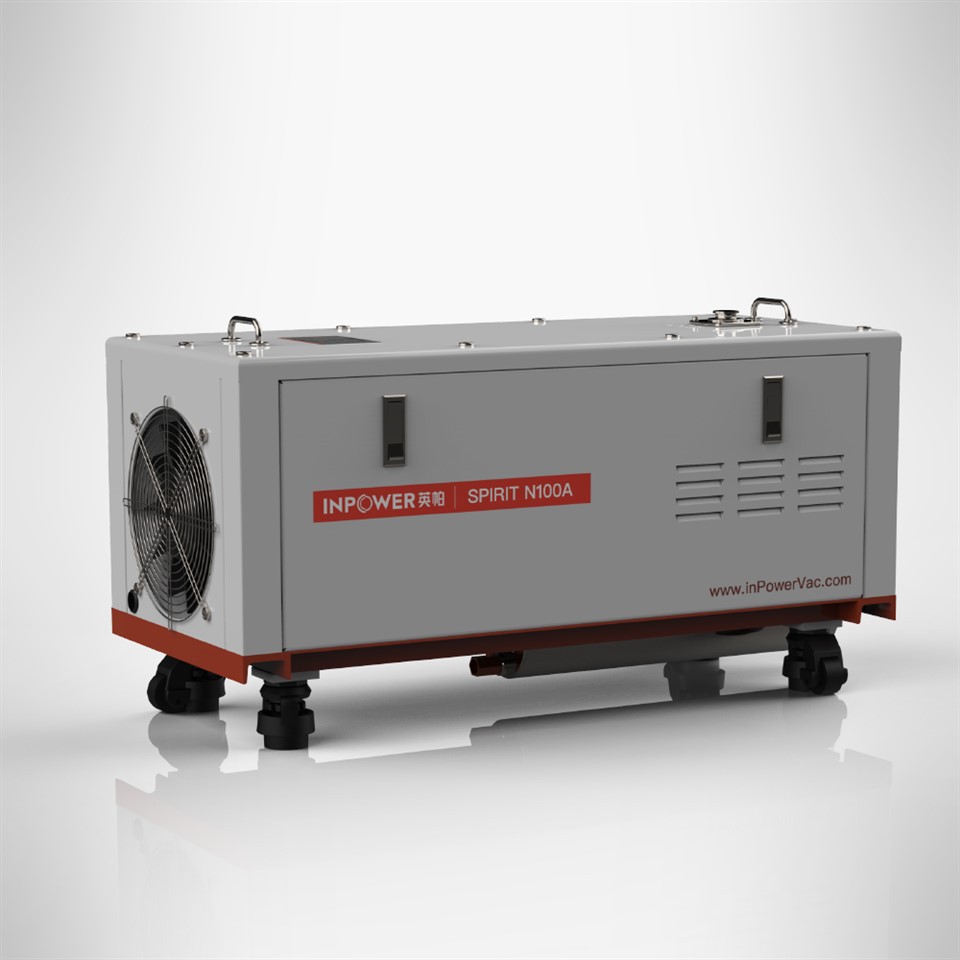
Air-Cooled Dry Screw Vacuum Pumps
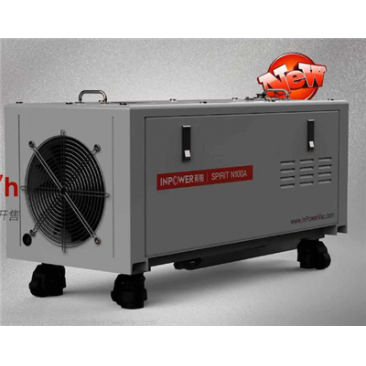
InPower Air-cooled Dry Screw Vacuum Pumps, Extremely low noise, high reliability quality, and air cooling are the preferred products in laboratory research, semiconductor industry, plasma cleaning, instrument and equipment fields.
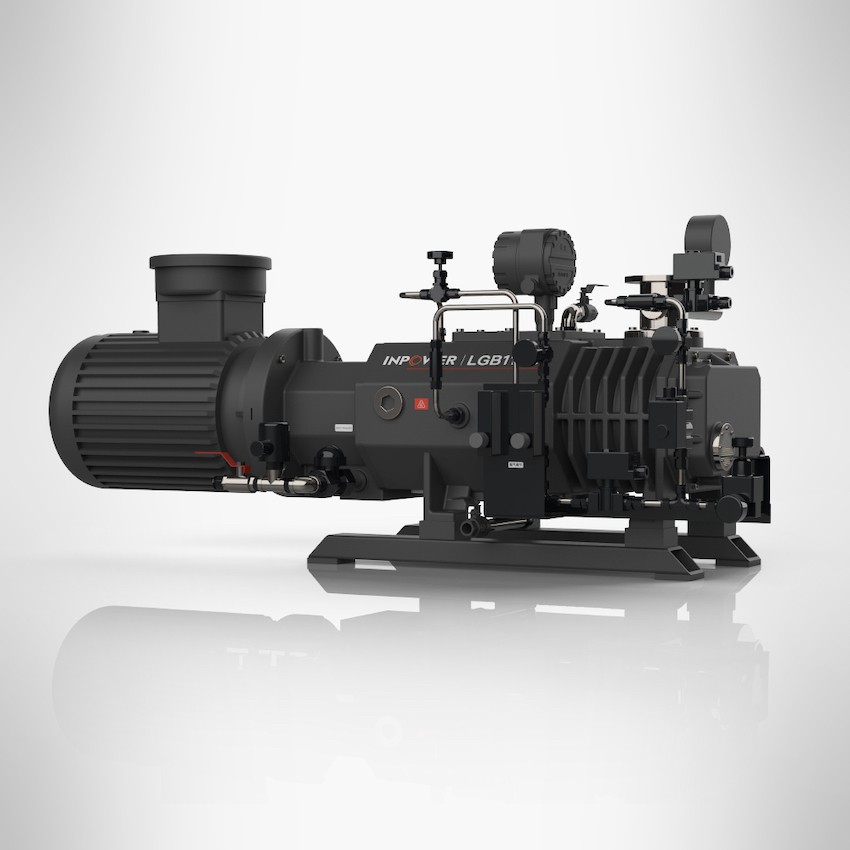
InPower Oil free screw vacuum pump is through driving & driven rotor rotating to enlarge the sealed suction section to inhale gas .
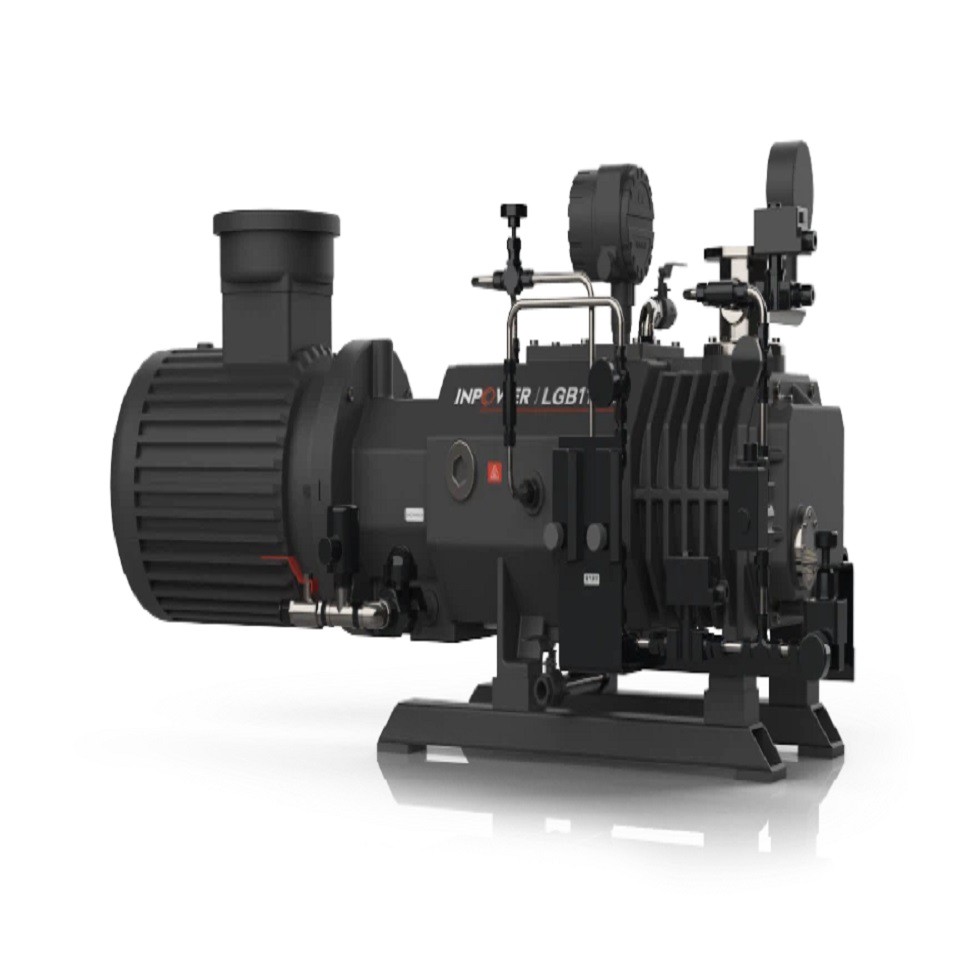
Chemical Resistant Vacuum Pump
InPower chemical resistant vacuum pump are specifically designed to handle corrosive gases and vapors, making them suitable for applications where standard vacuum pumps may not be able to withstand exposure to aggressive chemicals.
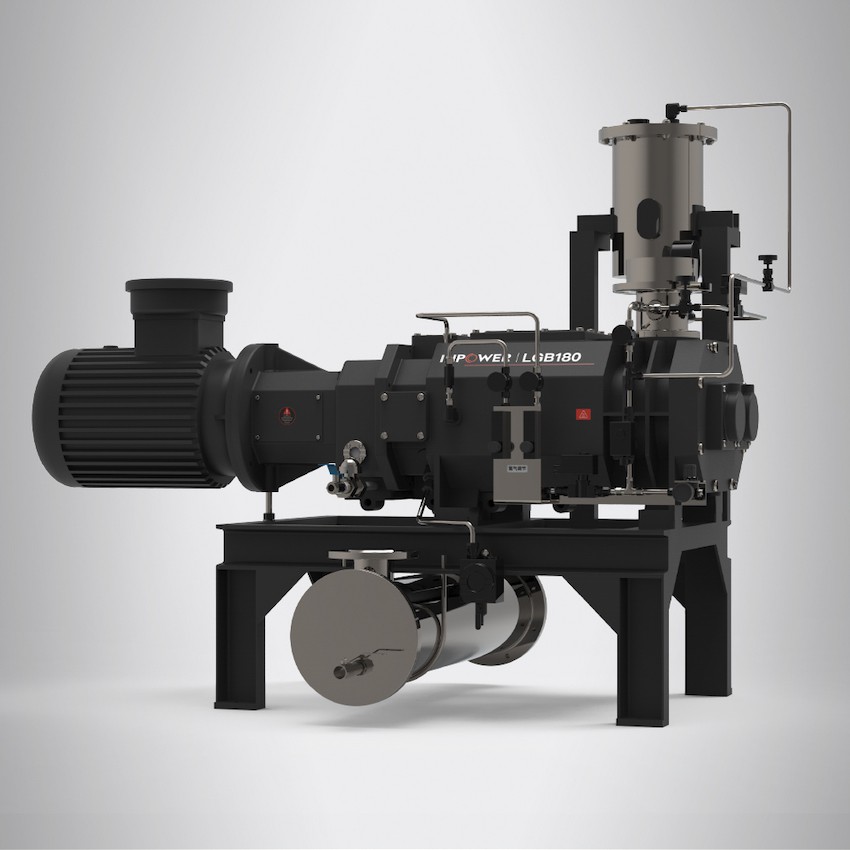
Water Cooled Dry Screw Vacuum Pump
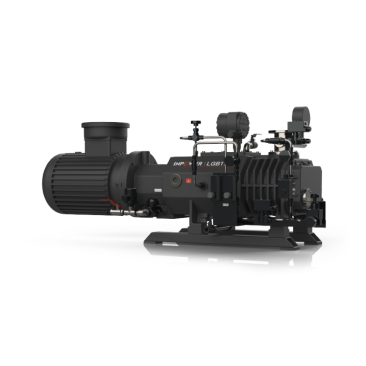
InPower water cooled dry screw vacuum pump are a type of vacuum pump that combines the benefits of dry screw technology with water cooling to enhance performance and efficiency.
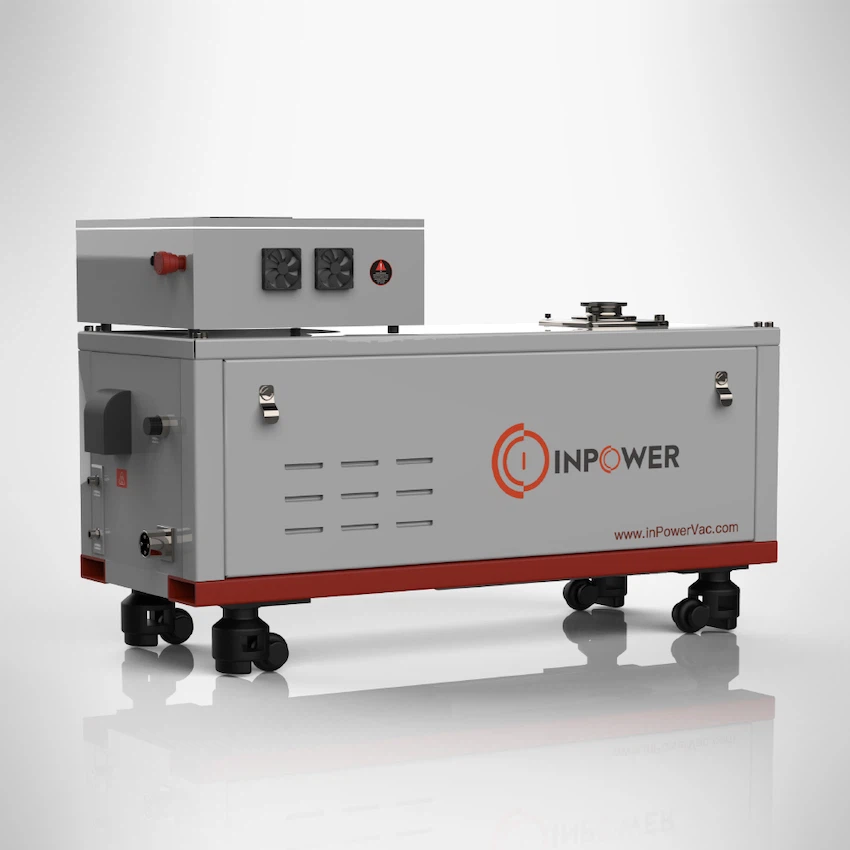
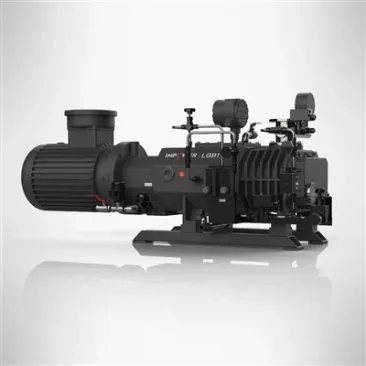
Inpower pharmaceutical vacuum pump One of the few high vacuum dry screw vacuum units worldwide
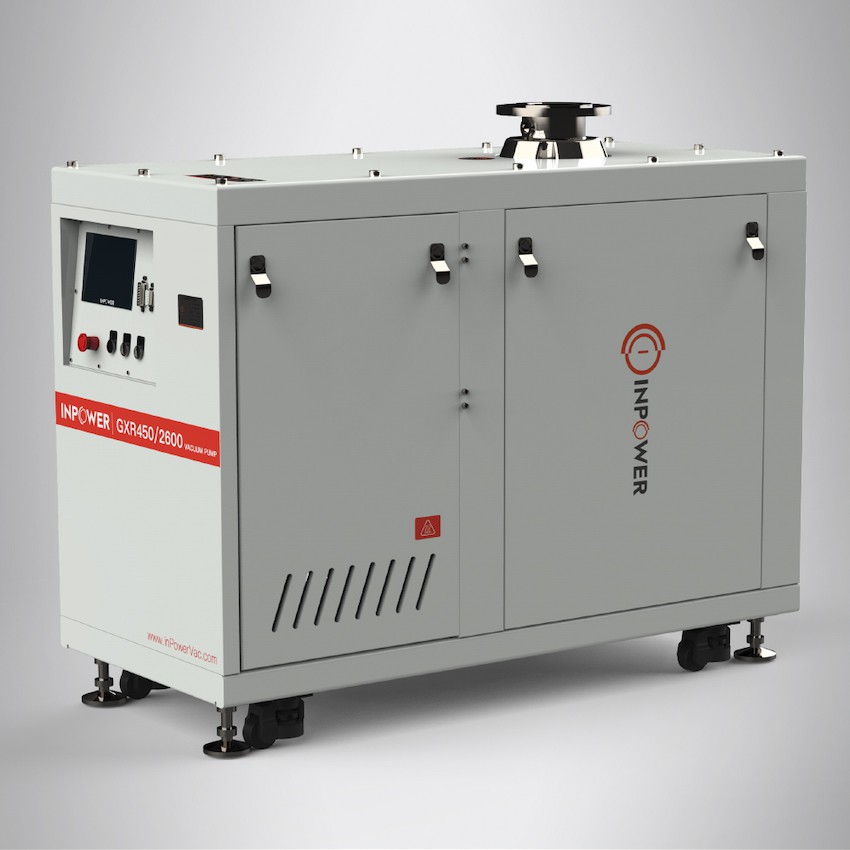
Dry Semiconductor Vacuum Pumps
Inpower Dry semiconductor vacuum pumps are specialized pumps used in the semiconductor industry to create a clean and dry vacuum environment. These pumps are essential for processes such as chemical vapor deposition, physical vapor deposition, ion implantation, and etching.
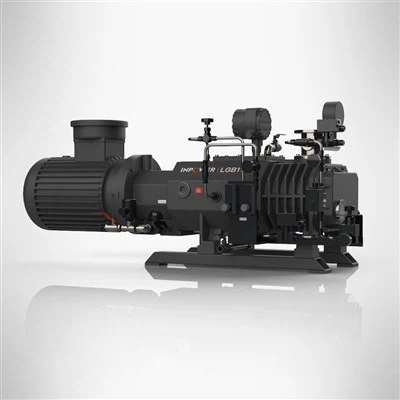
InPower Medical gas vacuum pumps play a vital role in various healthcare settings by providing reliable suction for medical applications.

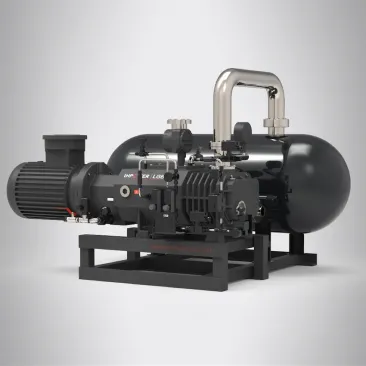
InPower Chemical plant vacuum systems play a crucial role in various processes and applications, supporting the production, handling, and treatment of chemicals.
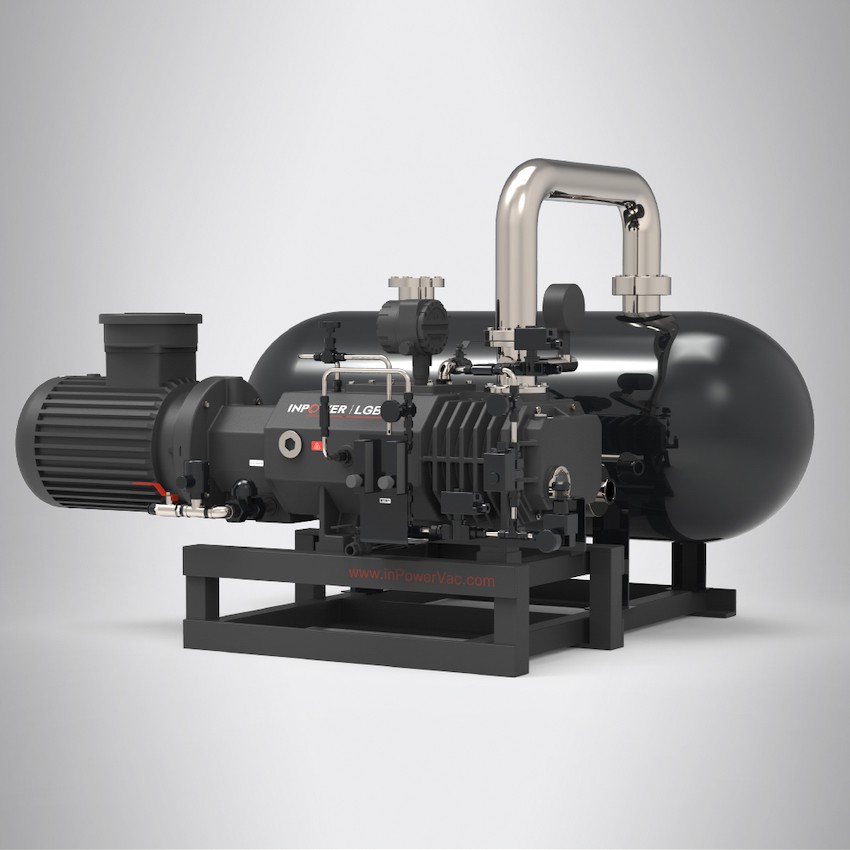
InPower Dry vane Vacuum pump used in the semiconductor industry to create a clean and dry vacuum environment. find a wide range of applications in the semiconductor industry due to their cleanliness, reliability, and efficiency. These pumps are essential for processes such as chemical vapor deposition, physical vapor deposition, ion implantation, and etching. Features: Dry vane Vacuum pump are a type of vacuum pump that combines the benefits of dry screw technology with water cooling to enhance performance and efficiency.It is offer a reliable, efficient, and low-maintenance solution for demanding vacuum applications that require both dry operation and effective heat dissipation.
A Dry Vane Vacuum Pump is a mechanical vacuum pump consisting of a rotor, cylinder, vane, etc., as shown in the figure. Oilless pumps inevitably cause air to flow back through the gap between the cylinder and rotor. As shown in the figure, the multi-vane structure prevents reverse flow even a little. This type of pump is a mechanical vacuum pump consisting of a rotor, cylinder, vane, etc., as shown in the figure. Oilless pumps inevitably cause air to flow back through the gap between the cylinder and rotor. As shown in the figure, the multi-vane structure prevents reverse flow even a little.
The vanes are made of a carbon-based material, and as the vanes slide, the carbon will inevitably wear out and become powdery. Although the amount of carbon powder generated is tiny, it adheres to the sliding surface in a thin film form and acts as an antifriction agent.
Benefits of Dry Vane Vacuum Pump
Oil-Free and Contamination-Free Operation
One of the most significant advantages of dry vane vacuum pump is their oil-free operation. By eliminating the need for oil lubrication, these pumps ensure a clean and contamination-free vacuum environment. This feature is particularly crucial in sensitive applications such as semiconductor manufacturing, pharmaceutical production, and food processing, where even trace amounts of oil can lead to product degradation or equipment malfunction.
Environmental Friendliness
Dry rotary vane pumps contribute to environmental sustainability by eliminating the use of oil and reducing waste generation. They eliminate the need for oil recycling or treatment processes, reducing the overall carbon footprint. Compared to liquid ring vacuum pumps, dry pumps eliminate the need for water and prevent serious water wastage.
Versatility and Adaptability
Dry rotary vane pumps offer versatility in handling various gases, including corrosive and flammable ones. With the ability to select materials compatible with specific applications, these pumps can be tailored to meet the unique requirements of different industries. This adaptability makes them suitable for diverse applications such as chemical processing, laboratory research, and environmental monitoring.
Robust and Durable Construction
Dry vane vacuum pump are built with robust materials and construction, ensuring durability and long service life. Their sturdy design and absence of oil-related wear extend their operational lifespan, providing reliable performance over an extended period. This reliability translates into cost savings and increased operational efficiency for businesses.
Ease of Installation and Operation
Dry rotary vane pumps are relatively easy to install and operate. They typically come as self-contained units, requiring minimal assembly and setup. The user-friendly interfaces and controls simplify operation for technicians and operators, minimizing the learning curve and ensuring efficient usage.
Industrial Dry Vacuum Pumps
When it comes to industrial dry vacuum pumps, there are various types on offer with varied designed for different applications.
Regenerative blowers pump air using an internal mechanism that helps in recovering energy lost during the pumping process. Rotary lobe blowers work by moving a rotor around a circular path, generating high pressure and vaporizing liquid or gas. Dry rotary vane vacuum pumps use vanes (like those on your car's air filter) to move the vaporized fluid directly through the impeller blades, achieving high-vacuum conditions without liquefaction of particles .
Chemical Duty Dry Vacuum Pumps
Chemical duty dry vacuum pumps are designed for the recovery of solvents from industrial and chemical processes. They have several advantages, including the ability to pull vacuum levels up to 5 Torr (10 inHg), making them a good choice for solvent recovery. Apart from this, all types of chemical duty dry vacuum pumps can be customized according to need.
There are three major types of chemical duty dry vacuum pumps – screw type, multi-lobe type, and Claw type – each with its own unique features and advantages. It is important to choose the right pump for your application – based on factors like pressure range, suction capacity etcetera – in order not only meet but also exceed expectations!
Dry Claw Vacuum Pump
Dry Claw Vacuum Pump is a type of vacuum pump that has a claw-like design. This makes it perfect for tight spaces and removing air or dust from areas with high pressure and volumes. Its efficiency in handling dirt, debris and dust particles make it ideal for use in warehouses, Factories, and other industrial settings.
The dry vane vacuum pumps find a lot of uses in various industries and fields. The machine can be used to transfuse blood in the field of medicine. Municipal bodies would often deploy such pumps to aerate sewage, dry food products and to remove air from a package. These pumps also find usage in the farming industry. Farmers can use these pumps to pump waters to long distances; hence these pumps provide them an edge where the water source is far away from the fields. These vacuum pumps are also used to provide the braking boosters in the braking system of large trucks. They are considered best when the pump's exposure to contaminants like water, vapor, and dust is almost inevitable. It finds various applications in the electronics industry, pharmaceutical industry, aerospace and nuclear industry, petrochemicals and oil and gas recovery systems.
Wet vacuum pumps, also known as wet ring vacuum pumps, use water to generate vacuum pressure. It relies on water flow to create suction. Dry vacuum pumps, on the other hand, create vacuum pressure by pumping dry air. It uses a turbine or rotating blades to create suction without the need for water.
Wet vacuum pumps are often used in certain applications where water supply and management are easy. They are commonly used in dental offices and laboratories. These pumps have a low initial cost and require minimal maintenance. However, one disadvantage of them is that they are not suitable for systems that are sensitive to water vapor. In addition, the treatment of contaminated water is also an issue.
Dry vacuum pumps, on the other hand, provide clean vacuum across the entire range without producing any waste. They have a higher initial cost but require less maintenance than wet pumps. Dry pumps are commonly used in a variety of industrial and research laboratories. They are suitable for applications sensitive to water vapor.
When choosing between wet and dry vacuum pumps, the specific requirements of the application must be considered. Factors to consider include the level of vacuum required, the type of sample being processed, and corrosion resistance requirements. Additionally, the lifetime cost of a vacuum pump, including purchase, maintenance and operating costs, should be considered to make an informed decision.
A dry vane vacuum pump is an oil-free and liquid-free working medium vacuum pump. It mainly achieves gas removal and improvement of vacuum degree through geometric changes between the moving and stationary blades of the exhaust chamber. The working principle of a dry vacuum pump is based on the compressed air rotating the moving blades, sucking the gas from the air inlet into the exhaust cavity through the action of the moving blades, and then compressing and discharging the gas.
Air intake process: When the dry vane vacuum pump starts, the moving blades start to rotate. During rotation, the air inlet opens, allowing gas to enter the exhaust chamber. At the same time, due to the fast rotation speed of the moving blades, the gas will be brought under the action of centrifugal force and spread outward along the contour of the stationary blades.
Compression process: When the gas enters the exhaust chamber, the gas is compressed under the action of the moving blades. During the compression process, the volume of the gas gradually decreases while the pressure of the gas gradually increases. As the moving blades rotate, the gas is compressed to the exhaust port and is ready to be discharged.
Exhaust process: When the gas is compressed to the exhaust port, the exhaust port opens and the gas is pushed out of the exhaust cavity. As the gas is exhausted, the pressure in the exhaust chamber gradually decreases. At the same time, the moving blades continue to rotate, the exhaust port is closed, and the exhaust cavity re-enters the air intake process.
It should be noted that there is no liquid medium involved in the exhaust process of a dry vane vacuum pump. Since there is no liquid oil film, dry vane vacuum pump can effectively avoid oil pollution and are suitable for fields that require gas cleanliness. In addition, due to its non-liquid medium, dry vane vacuum pump can work in humid environments and will not be affected by the presence of water vapor.
With the continuous improvement and innovation of dry vane vacuum pump, a variety of dry vane vacuum pump have appeared, such as centrifugal dry vane vacuum pump, screw dry vane vacuum pump, etc. These dry vane vacuum pump are different in principle, but their main working principles are based on the geometric changes between the moving and stationary blades to achieve gas removal. Through continuous improvement and optimization, dry vane vacuum pump have become an efficient, environmentally friendly, and easy-to-maintain vacuum pump equipment, and have been widely used in many fields.
Before installing and using a dry vane vacuum pump, customers should carefully read the common safety issues. If they do not master these contents, it will not be easy to grasp the risks in the operation of mechanical pumps.
● Do not operate the dry vane vacuum pump without installing a protective cover. Before removing and replacing the protective cover, disconnect the switching power supply to the motor. Access to rotating parts without properly installed protective covers can be hazardous.
● When the substance is one with sufficient oxygen (the proportion of carbon dioxide exceeds 21%), please do not operate the pump unless there is a suitable rare gas and purge system. Inhalation of sufficient oxygen species contaminated by mineral engine oil or non-plastic hydrodynamics without proper cleaning will cause an explosion.
● Take precautions to prevent prolonged exposure to welding fumes or materials during removal.
● The steam exhausted from the dry vane vacuum pump does not need to enter a closed or unnaturally ventilated area. If the extracted steam contains components that are harmful to the natural environment, these must be properly addressed before being discharged into the air.
Our Factory
In 2019, inPowerVac conformed to the times, completed the handover of new and old leaders, started its own brand global trade and brand strategy, established the inPowerVac brand, and began to sell in the global market. Although we are constantly innovating, we still insist on producing high-reliability vacuum products.