Zhejiang Yingpa Electromechanical Co., Ltd
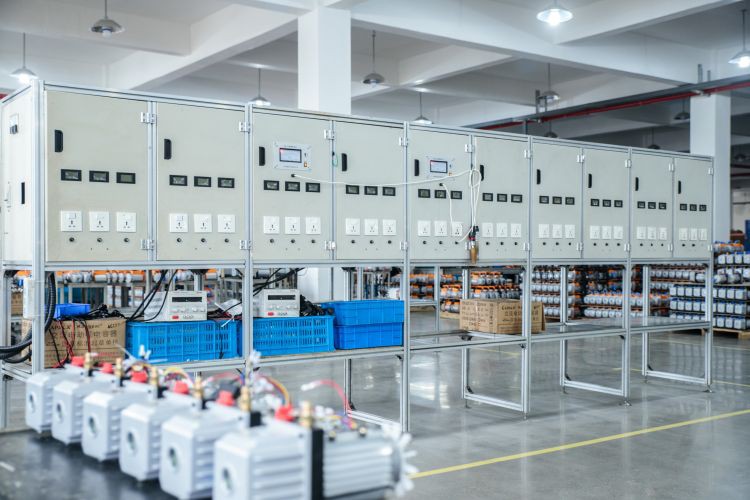
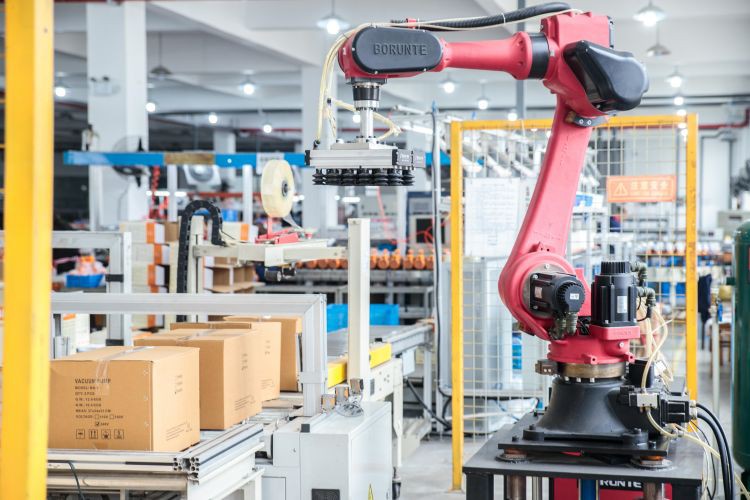
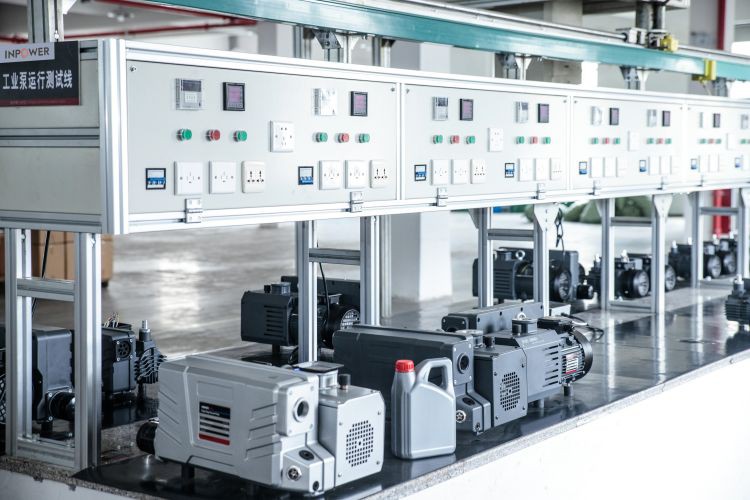
InPowerVac since 2000,currently mainly produces and sells rotary vane vacuum pumps, dry screw vacuum pumps, Roots vacuum pumps, and vacuum units. At present, the company has 92 sets of processing equipment, including 30 sets of imported processing equipment. It has complete inspection and monitoring equipment, material tensile physics laboratory, vacuum testing room, dynamic balance laboratory, three coordinate and other high-end equipment.
Why Choose Us?
Advanced Equipment
InPowerVac has been committed to the research, development, production, sales, and maintenance and installation services of vacuum equipment, providing highly reliable vacuum products and solutions in fields such as lithium batteries, semiconductors, power, new materials, glass, laboratory instruments.
Factory
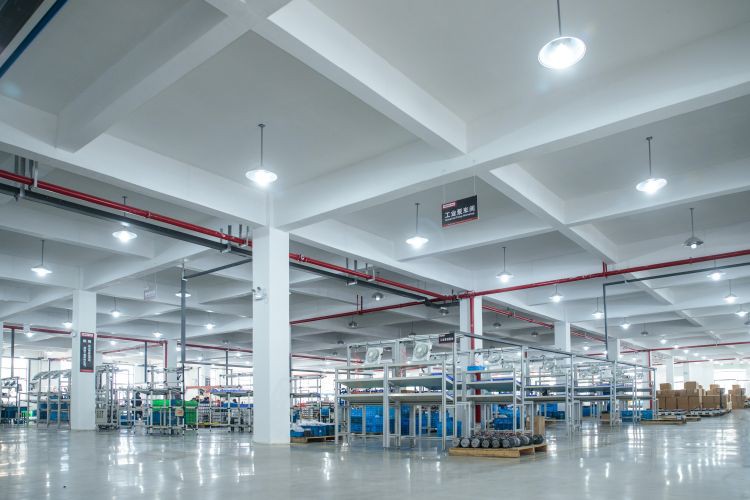
InPowerVac currently has two production bases in Zhejiang and Hebei. In 2023, we will purchase another production plant in Taizhou, Zhejiang, covering an area of squa70000 re meters.
Rich Experience
We are constantly developing and optimizing our company's products, and we always insist on creating value for our customers, especially in some special fields.
Professional Team
With the precipitation of time and persistence in quality, inPowerVac now has a number of mature production lines and continuous technological innovation capabilities, and is determined to become a leader in vacuum technology in China and even in the world.
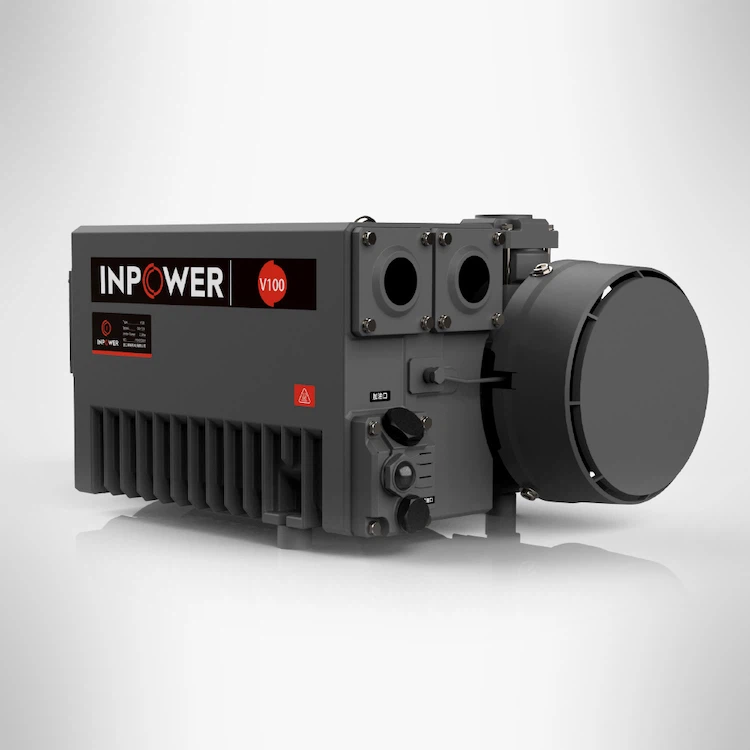
InPowerVac Oil Sealed Rotary Vane Pumps has long been widely used in low vacuum and high vacuum processes. It has the characteristics of long service life, low oil mist, and cost-effective use.
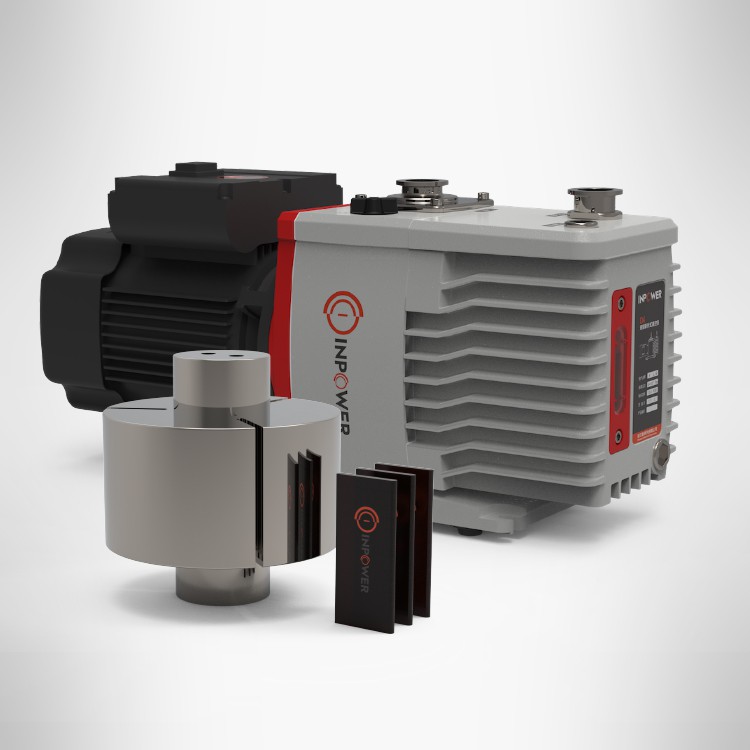
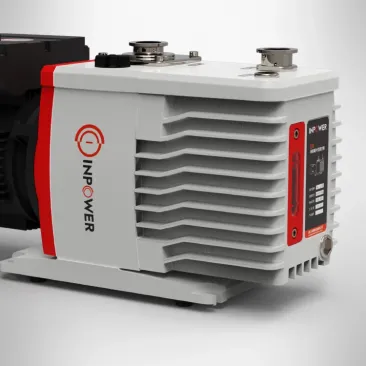
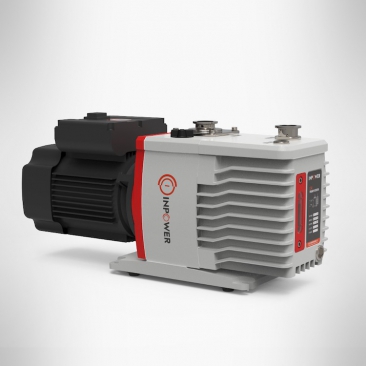
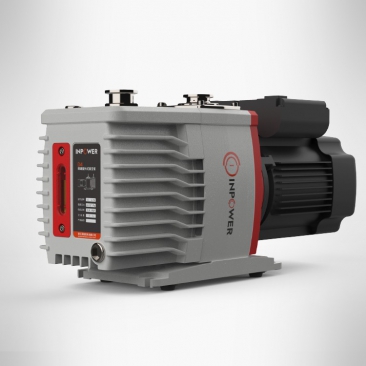
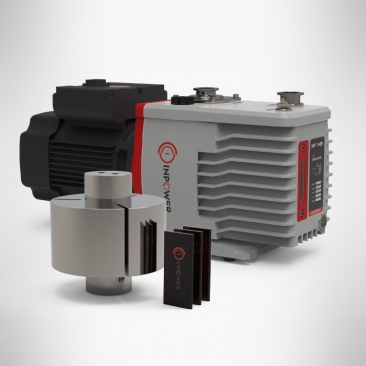
Two Stage Oil Sealed Vacuum Pump
Especially in the fields of heat treatment, vacuum furnaces, electronic equipment, semiconductors, and air separation, two-stage vacuum pumps have the advantages of high efficiency and safety.
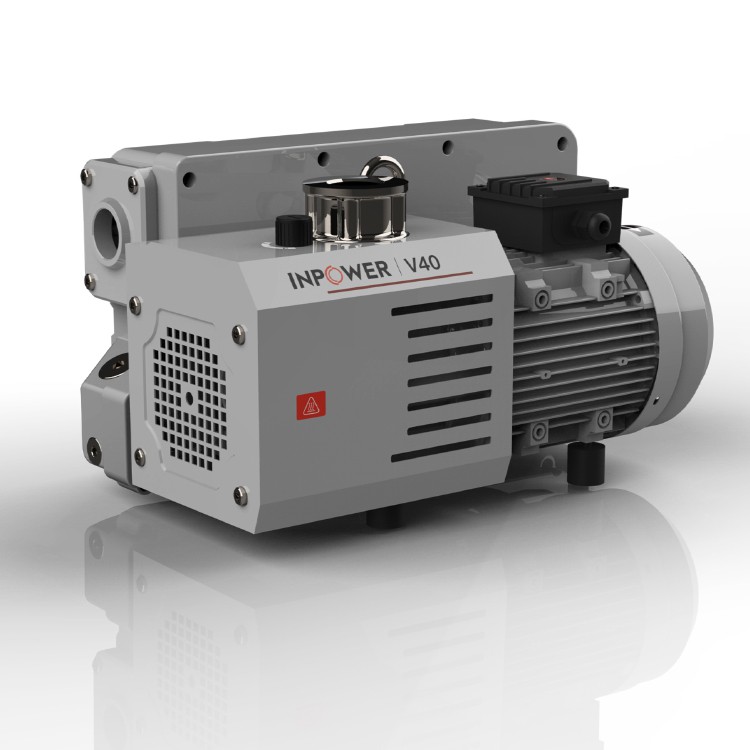
InPowerVac portable oil vacuum pump offer several functional characteristics that make them suitable for a wide range of industrial and scientific applications.
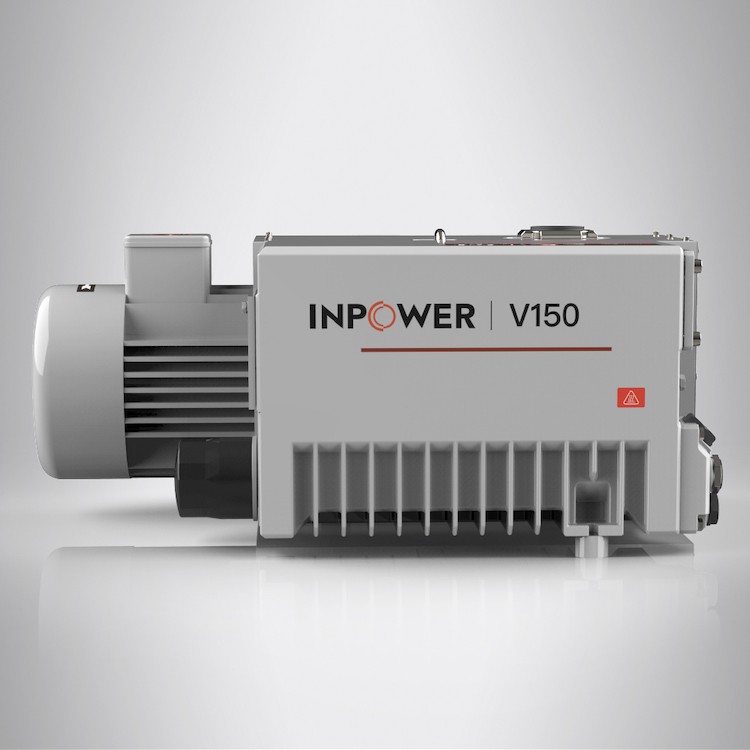
Inpowervac single stage rotary vane pump combining with many years of experience in vacuum engineering and the latest international vacuum technology developed to meet requirements of both the industry and the environment.
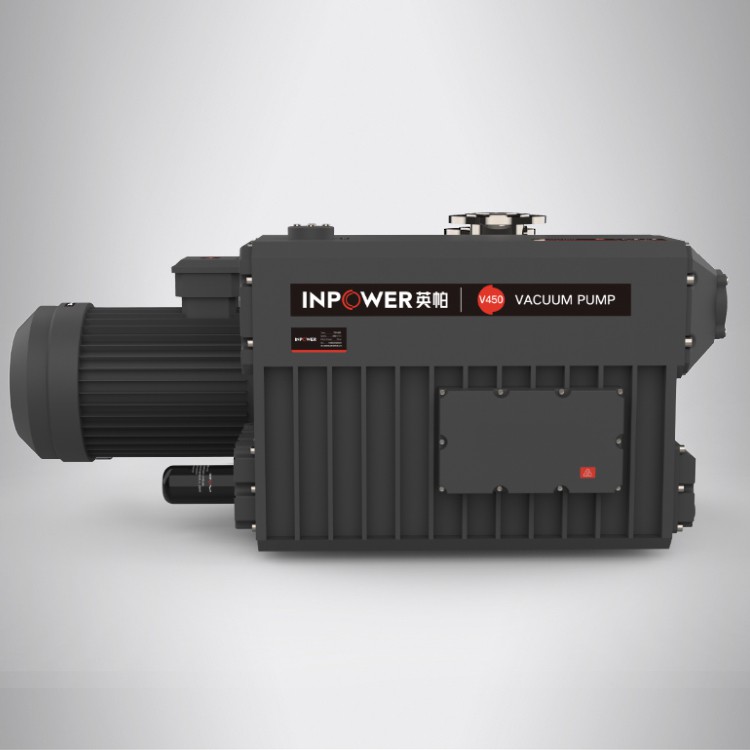
InPowerVac Single phase vacuum pump from Pfeiffer Vacuum have long been some of the most widely used products for processes in the low and medium vacuum range.
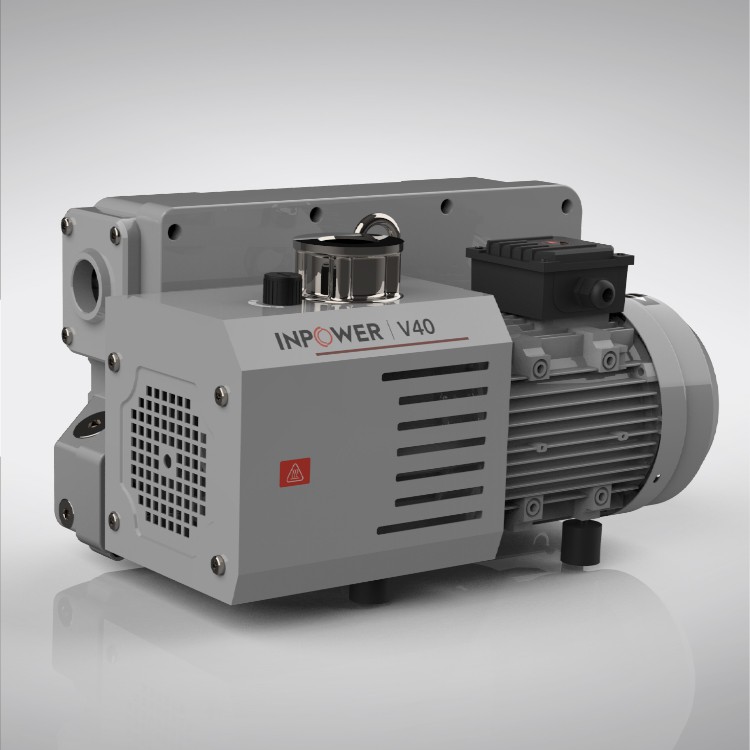
Vacuum Pumps For Packaging Machines
InPowerVac Vacuum Pumps For Packaging Machines suitable for low and medium vacuum field, mainly used to remove air and other dry gas, it is one of the main equipment of low and medium vacuum.
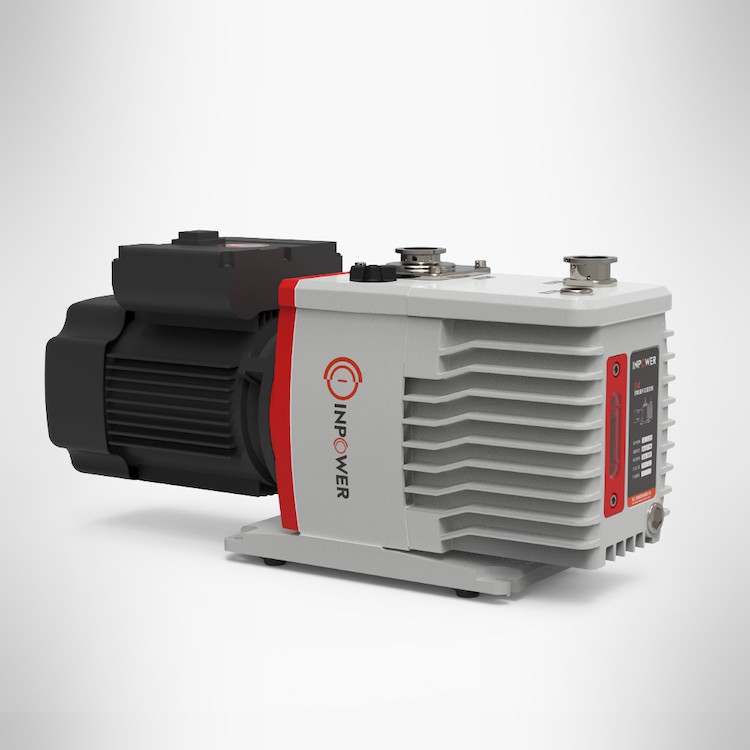
InPowerVac front stage vacuum pumps is a direct force oil immersed mechanical vacuum pump, which is a basic equipment used to extract gas from sealed containers and obtain a vacuum environment.

Two Stage Rotary Vane Vacuum Pump
InPowerVac two stage rotary vane vacuum pump By using two centrifugal pumps to work together, high vacuum degree and small leakage rate can be achieved, which can be used in high-precision scientific experiments and industrial production to meet the needs of different fields
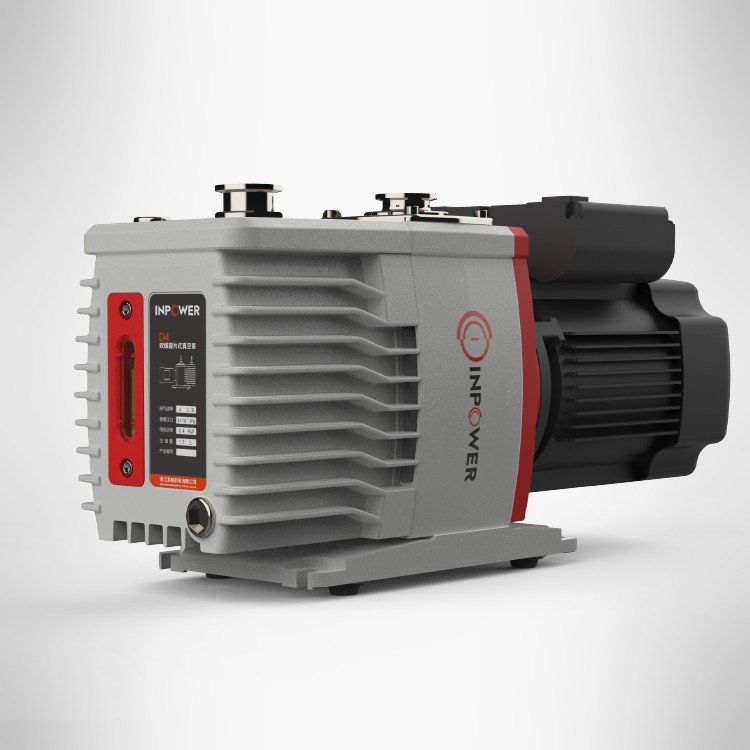
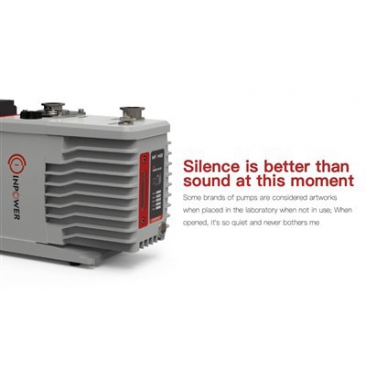
InPowerVac vacuum aspirator lab Adopting a balanced design, the noise and vibration during design and use are very low, with minimal interference to the experimental and production environments.
Two Stage Rotary Vane Pumps, also known as a vacuum pump, is a self-priming positive displacement pump that moves fluids and gases with vanes mounted to a rotor inside a cylindrical housing. The liquids and gases are compressed, pressurized, and passed through the pump outlet.The food and beverage industry also uses rotary vane pumps for fountain drink dispensers, espresso machines, and the transportation of viscous liquids. They are also commonly used in the water treatment industry for feeding pressurized water to reverse osmosis filtration membranes.
Two Stage Rotary Vane Pumps suction mouth with coarse filter wire mesh.To prevent solid foreign dust suction pump cavity.Are installed in the oil separator efficient separation efficiency of oil and gas exhaust transition device.When the pump is stopped, the suction valve built into suction mouth pump and pump system isolation, and prevent oil on being back into the system.By air cooling pump.
Benefits of Two Stage Rotary Vane Pumps
They are excellent at self-priming and often have extended dry run capability, eliminating the need for expensive priming and monitoring systems. They can be low maintenance and economical units. Over time, the vanes on a rotary sliding vane pump will wear, likely faster than other parts. However, the vanes can be easily replaced resulting in little down time and cost savings. Also, many rotary vane pumps can be direct driven or belt driven and do not always require gearboxes to reduce operating speeds.
That means no gears or transmissions that will need replacement. Rotary vane pumps are remarkably efficient requiring less horsepower than other pumps, which means a less expensive motor and reduced electricity use. Rotary vane pumps are reversible, which make them a terrific resource for loading or unloading vessels and ensuring liquid is recovered from delivery hoses or piping. They are also capable of pumping fluids with solids, albeit with slow pumping internal velocities.
Unbalanced Vane Pumps
Unbalanced vane pumps are made up of a cylindrical rotor that is offset inside a circular housing. It signifies that the centers of the cylindrical rotor and the shell do not coincide. The casing's center and the rotor's center are some distance apart. No leakage exists between the housing and the vane tip. Due to pressure variations between the intake and exhaust ports, a side thrust is formed on the rotor shaft. The bearing life is reduced due to the lateral force on the shaft. These types of vane pumps are known as an "imbalanced vane pumps" because of pressure fluctuations between the input and exhaust ports.
Balanced Vane Pumps
The balanced rotary vane pump has an elliptical casing. The elliptical casing and rotor have the same center. There isn't any offset. These types of vane pumps are designed to be adaptable and are commonly used in mobile and industrial applications. Because these pumps have two inlets and an outlet, there is no pressure differential between the inlets and outputs. The two entrance ports are on opposing sides of the machine. Similarly, the outlet ports are on opposing sides as well. The intake and outlet port assembly balance equal and opposing thrust forces so that the rotor shaft is not subjected to lateral thrust forces. This balancing pump provides superior performance and long service life in a variety of applications. Balance vane pumps have a service life of more than 24,000 hours in industrial applications. The size of the cavity between two vanes decreases from intake to exit.
Variable Displacement Vane Pumps
Variable displacement vane pumps allow you to alter the size of the pocket; the delivery rate changes as a result of the varied sizes of the pump pocket. The vanes on these types of vane pumps do not come into direct contact with the pump housing. A ring separates the vane from the casing in this rotary vane pump. The response ring is the name given to this ring. One end of this ring is attached to the spring, while the other end is attached to the adjusting screw. The adjustment screws modify the size of the pump pocket. As the adjustment screw begins to rotate, the response ring travels up and down.
At its core, a two-stage rotary vane vacuum pump consists of two stages, each comprising a cylindrical housing with a rotor positioned eccentrically inside. The rotor is equipped with several vanes that are free to move in and out of radial slots along its length. These vanes are typically made of carbon or other self-lubricating materials and play a vital role in the functioning of the pump.
The pumping process begins when the pump is connected to the system or chamber that requires a vacuum. Initially, both stages of the pump are filled with air at atmospheric pressure. As the pump is activated, an electric motor drives the rotation of the rotor inside each stage. The rotor's eccentric position causes the vanes to slide in and out of their respective slots, creating variable chambers within the pump housing.
In the first stage, the rotation of the rotor causes the vanes to move outward due to centrifugal force. As a result, the volume of the chamber between the rotor and the housing increases. This expansion creates a partial vacuum within the chamber, causing the gas molecules inside the system or chamber to move towards the pump inlet. The gas molecules are then trapped between the vanes and the chamber wall, preventing their escape back into the system.
As the rotor continues to rotate, the vanes sweep the gas towards the pump's exhaust port. The shape of the pump housing guides the gas towards the exhaust, which is typically fitted with a valve to prevent backflow. This expulsion of gas from the first stage creates a lower pressure region in the system or chamber, facilitating the movement of gas from the higher-pressure region towards the pump.
After passing through the first stage, the gas enters the second stage of the rotary vane vacuum pump. The operation of the second stage is similar to that of the first stage. The rotation of the rotor and the movement of the vanes create a vacuum in the chamber, causing gas molecules to be drawn into the pump and trapped between the vanes. This stage further compresses the gas, reducing its volume and increasing the pressure difference between the system or chamber and the pump.
Once the gas reaches the second stage's exhaust port, it is expelled from the pump, further lowering the pressure within the system or chamber. By utilizing two stages, the pump can achieve higher levels of vacuum compared to single-stage pumps. The compression ratio, which is the ratio of the discharge pressure to the inlet pressure, is significantly improved due to the additional compression in the second stage.
Shaft
The shaft inside the vane pump is connected to the prime mover. Using the power of this prime mover the rotor mounted on top of the shaft is rotated.
Rotor
The rotor of the vane pump has various radial slots which are present at equal distances all around the rotor of the vane pump.
Casing
The casing is the outside layer of the vane pump and consists of all the components of the vane pump that are present inside it. The casing consists of two ports.
Inlet Port
This is the port through which the fluid enters the pump.
Outlet Port
Through the outlet port, the high-pressure fluid exits the pump.
Cam Ring
The cam ring is mounted on the inner wall of the casing.
Sliding Vanes
These rectangular-shaped sliding vanes are attached with the rotor using a spring and are present in the slots of the rotor and move freely inside the slots of the rotor.
A Two Stage Rotary Vane Pumps is a positive-displacement pump that has vanes slotted into a rotor, which rotates inside a cavity or cylinder. This type of pump can run under short periods of dry operations. It can also be used for low-viscosity fluids.
Change Oil Regularly
The Two Stage Rotary Vane Pumpss can always run efficiently if you change their oil on time. Manufacturers know the appropriate frequency of changing the oil on their pumps, so make sure to know and follow them. Most manufacturers would suggest a four-month schedule for changing oil, while others would try to push it out even further. One thing to remember, though, is to select the right oil grade and weight for your pumps. Choosing high-quality oil can help you prevent contaminants from damaging the pump.
Replace the Filter
A lot of solid and liquid materials may enter Two Stage Rotary Vane Pumpss. Without any great filter, you can expect your pumps to fail after a short time. Just like oil, you must consult with your pump's manufacturer guidelines to ensure the proper timing of filter replacements. These guidelines can also determine the right dimensions and specifications of the filter for your pumps.
Keep the Temperature Low
Even if some Two Stage Rotary Vane Pumpss are intended to work for a reasonable amount of time, you must keep them cool all the time. Heat can negatively affect the performance of Two Stage Rotary Vane Pumpss since it can damage a motor faster. If the motor becomes too hot, the viscosity of the oil will be reduced, which then removes the efficient vacuum ability of the pump. Make sure to keep the temperature of these low by running a fan on it.
Change the Vane
Tools and components that are frequently used in important operations can be subjected to wear and tear. The vane found on your Two Stage Rotary Vane Pumpss can also experience deterioration over time. When the vane reaches a point where it is one fourth shorter than it used to be, then it is a clear sign for you to switch it out. As you change the vane, you can also replace the gaskets and bearings that accompany this component to make everything perform optimally.
Our Factory
In 2019, inPowerVac conformed to the times, completed the handover of new and old leaders, started its own brand global trade and brand strategy, established the inPowerVac brand, and began to sell in the global market. Although we are constantly innovating, we still insist on producing high-reliability vacuum products.