Zhejiang Yingpa Electromechanical Co., Ltd
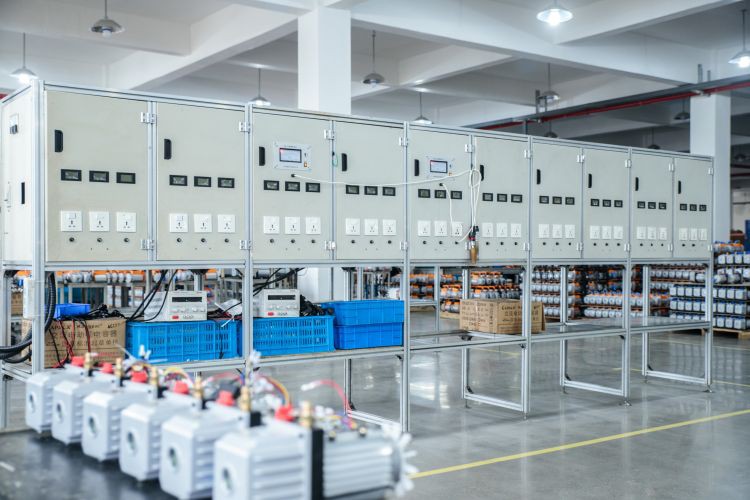
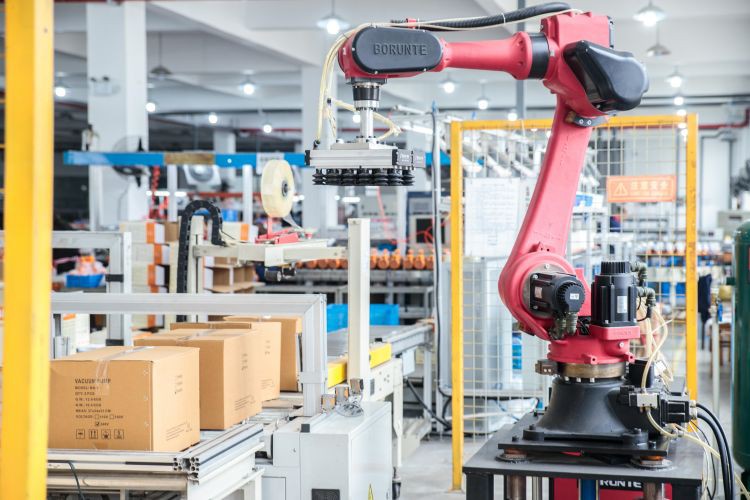
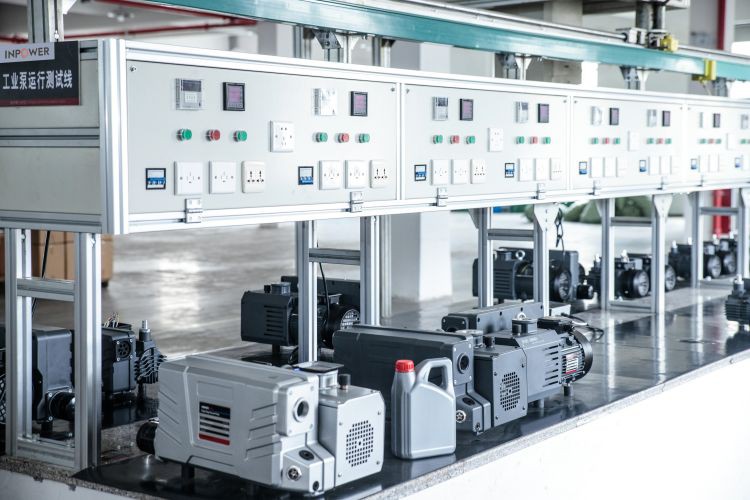
InPowerVac since 2000,currently mainly produces and sells rotary vane vacuum pumps, dry screw vacuum pumps, Roots vacuum pumps, and vacuum units. At present, the company has 92 sets of processing equipment, including 30 sets of imported processing equipment. It has complete inspection and monitoring equipment, material tensile physics laboratory, vacuum testing room, dynamic balance laboratory, three coordinate and other high-end equipment.
Why Choose Us?
Advanced Equipment
InPowerVac has been committed to the research, development, production, sales, and maintenance and installation services of vacuum equipment, providing highly reliable vacuum products and solutions in fields such as lithium batteries, semiconductors, power, new materials, glass, laboratory instruments.
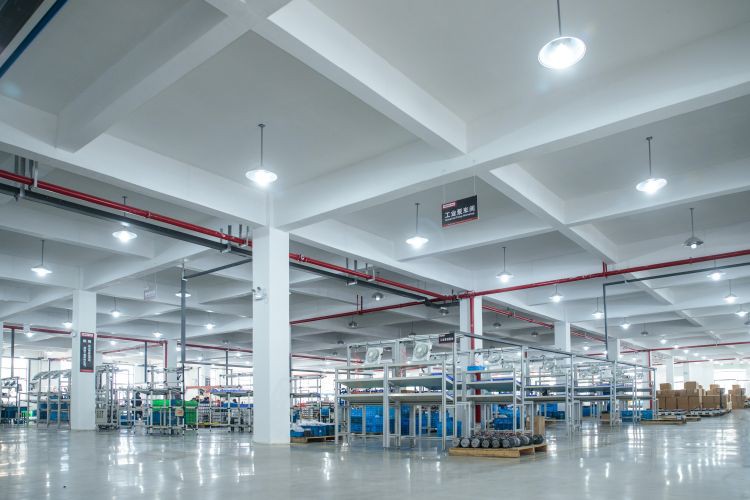
Factory
InPowerVac currently has two production bases in Zhejiang and Hebei. In 2023, we will purchase another production plant in Taizhou, Zhejiang, covering an area of squa70000 re meters.
Rich Experience
We are constantly developing and optimizing our company's products, and we always insist on creating value for our customers, especially in some special fields.
Professional Team
With the precipitation of time and persistence in quality, inPowerVac now has a number of mature production lines and continuous technological innovation capabilities, and is determined to become a leader in vacuum technology in China and even in the world.
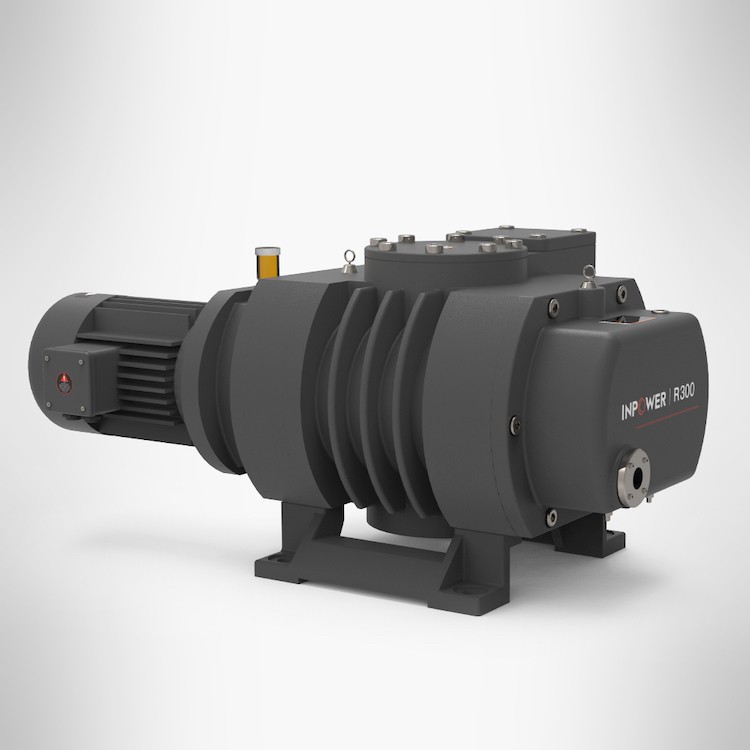
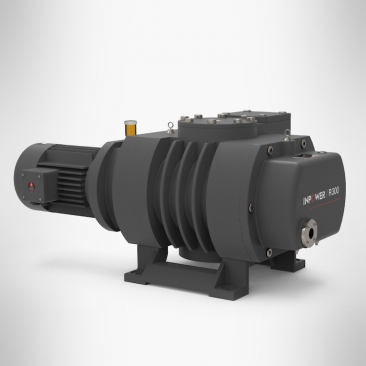
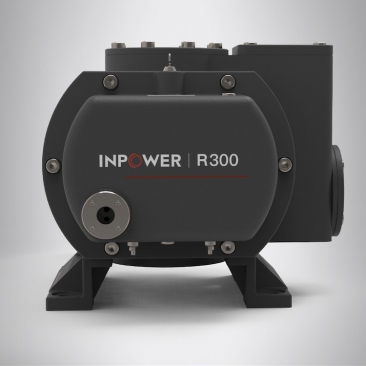
InPower vacuum assist pump uses a pair of 8-shaped rotors to rotate in opposite directions at a constant speed in the pump casing, generating suction and exhaust gases. Roots vacuum pump cannot be used alone, only the front stage pump in series can be used.
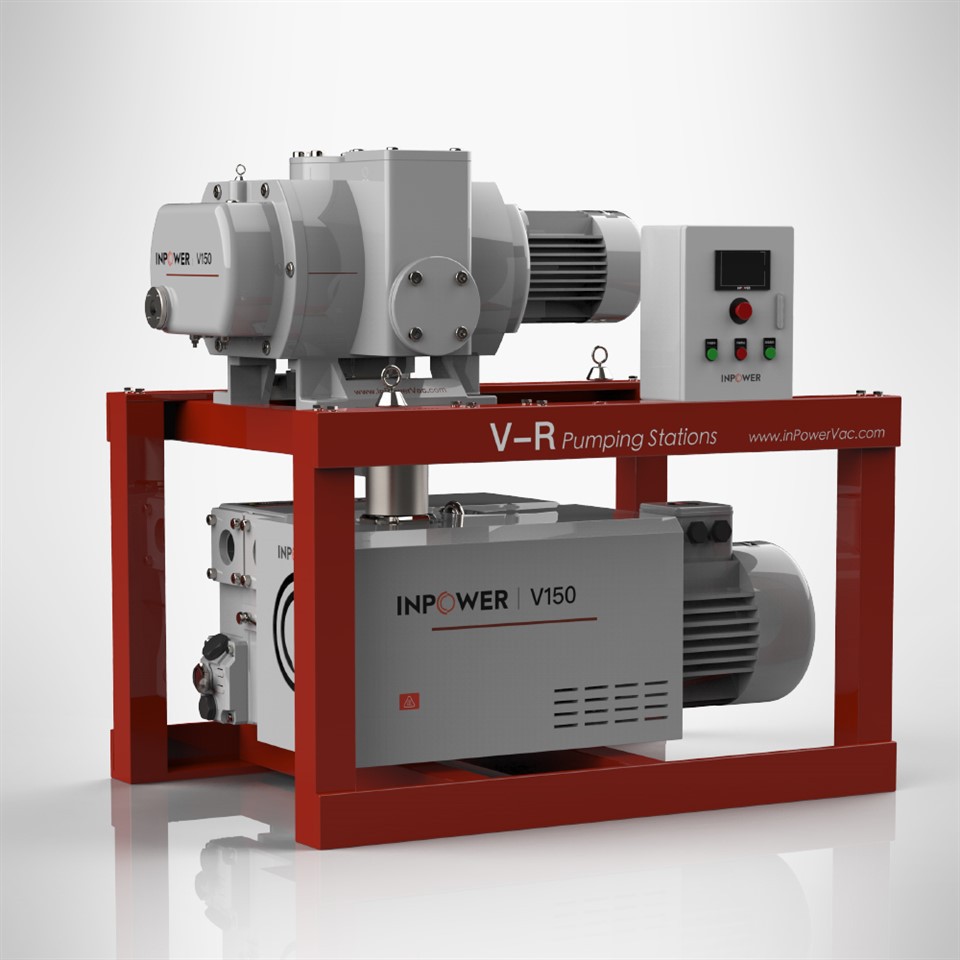
Inpower multi stage roots pump is often used in combination with other types of vacuum pumps, such as rotary vane pumps or oil-sealed pumps, to create a more powerful and reliable vacuum system for industrial processes.
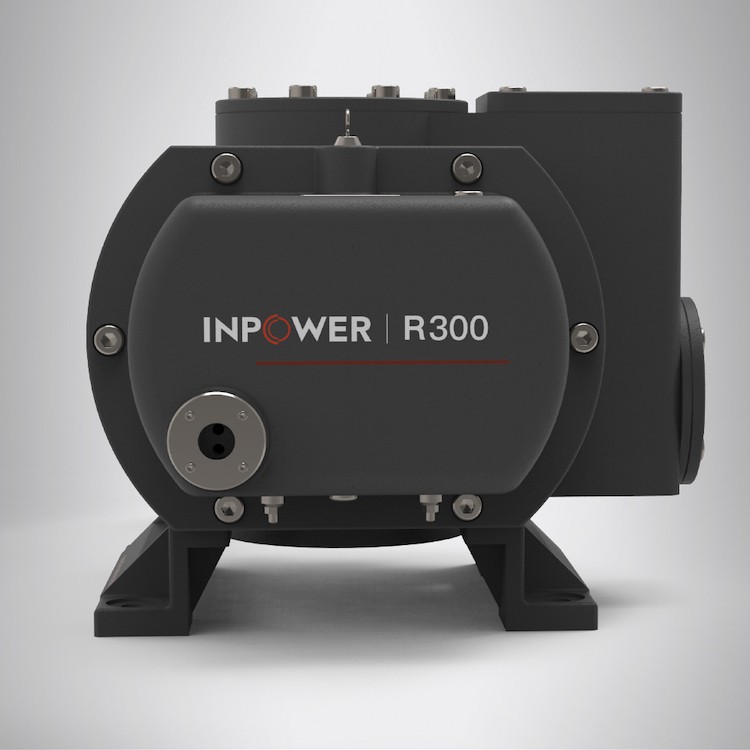
Mechanical Vacuum Booster System Pump
Inpower mechanical vacuum booster system pump is a type of vacuum pump that utilizes a pair of synchronized, multi-lobe rotors to increase the efficiency and performance of a primary vacuum pump.
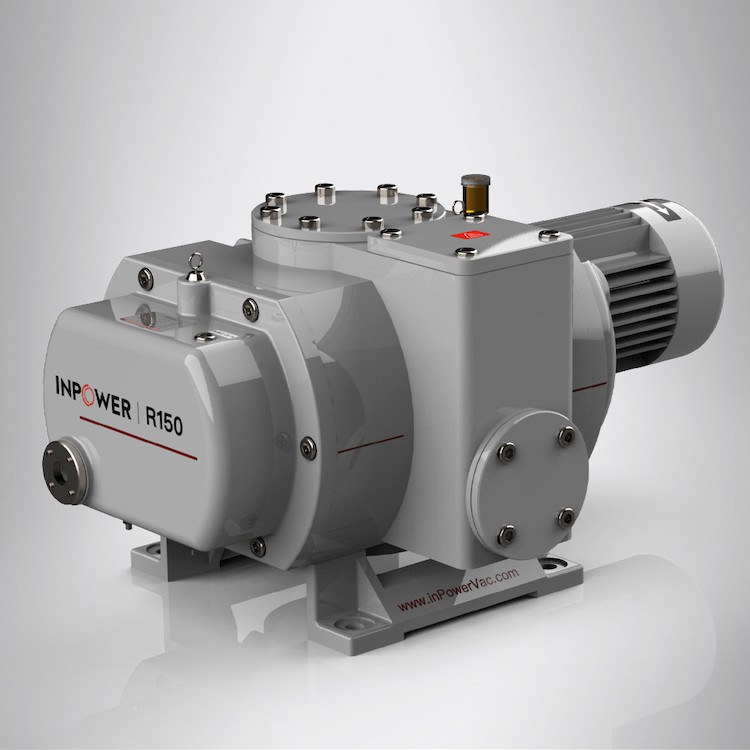
Gas-Circulation Cooled Roots Vacuum Pump
Inpower gas-Circulation Cooled Roots Vacuum Pump works by using a pair of rotating, lobed rotors to trap and transfer gas molecules from the inlet to the outlet of the pump, effectively increasing the volume of gas being moved.
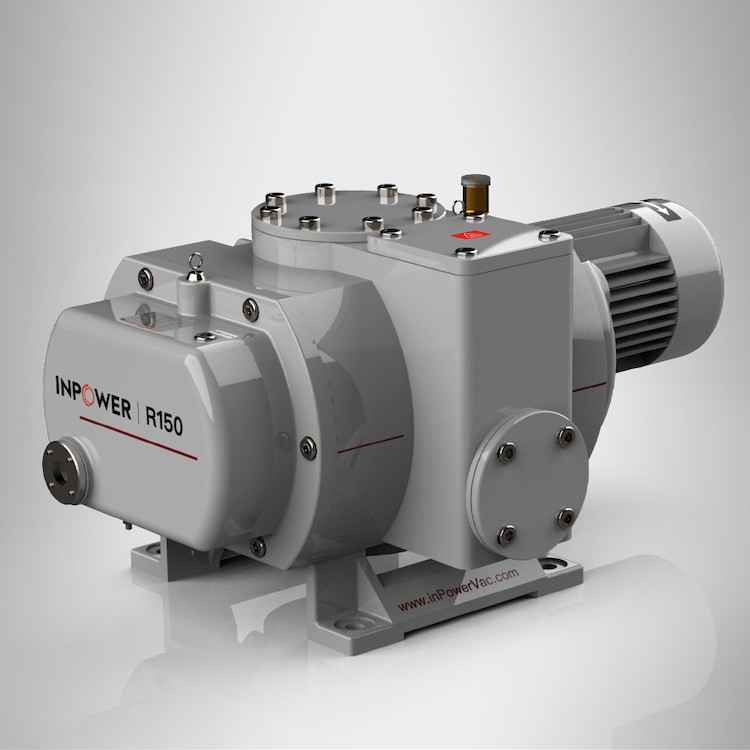
InPower big pumping roots vacuum pump New Series Roots Pump Hydraulic coupling technology,The HK drive allows for the pump to automatically slow down at higher pressures preventing the pump from over-heating.

Inpower auxiliary vacuum pump is often used in combination with other types of vacuum pumps, such as rotary vane pumps or oil-sealed pumps, to create a more powerful and reliable vacuum system for industrial processes.
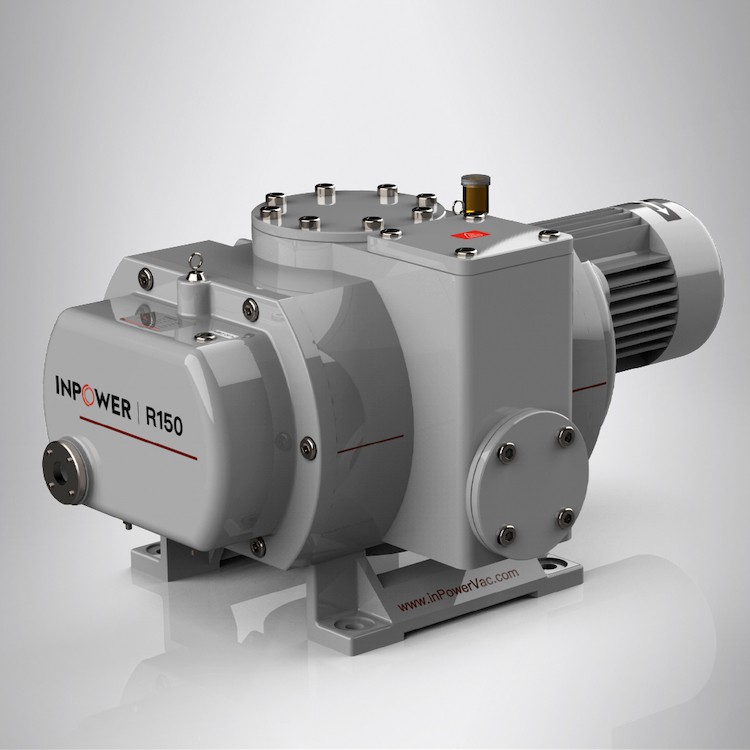
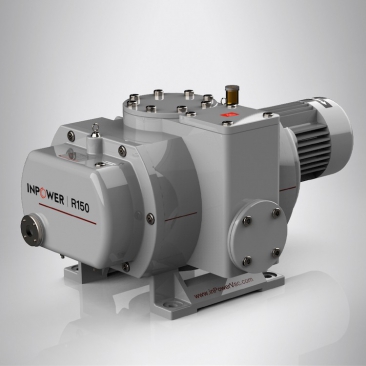
InPower air cooled roots vacuum pump are a type of roots vacuum pump that utilizes air as the cooling medium to dissipate heat generated during operation.
Because of its special structure design, air-cooled Roots vacuum pump can operate reliably for a long time under high pressure difference and high compression ratio. Cooling gas from both sides of the pump body into the pump suction chamber, so that the pump will not appear because of compressed gas overheating, but the pump pumping performance has no impact. The rotor rotates in the pump cavity and completes the process of suction and exhaust. Coolers and motors are necessary accessories for each pump. The specifications of coolers and motors are determined according to different operating conditions.
Benefits of Air Cooled Roots Vacuum Pump
The scope of application is wider and wider.
Because the exhaust can withstand ultra-high pressure, so effectively and thoroughly solve the ordinary Roots vacuum pump due to excessive pressure difference, vacuum pump caused by the difference in the overload, overheating phenomenon.
Work at higher inlet pressure.
The air-cooled Roots vacuum pump can theoretically work under the condition of atmospheric pressure at the inlet, and the maximum pressure difference can be calculated according to the process conditions to determine the required motor power.
It can be connected to the roots pump set in series with the front pump.
Air-cooled Roots vacuum pump can work perfectly under high pressure difference, so it can reduce the front-stage pump to achieve energy saving and emission reduction effect, energy saving effect is more remarkable.
Easy maintenance and maintenance, low cost and high life.
General Roots vacuum pump is not easy to maintain, maintenance costs, and life is not high, air-cooled Roots vacuum pump completely solved this problem, easier to maintain and high life.
Gas circulating air cooled roots vacuum pump is mainly composed of rotor 1, rotor 2, pump 4, cooler 7 and so on. Because of its special structure design, it can operate reliably for a long time under high pressure difference and high compression ratio. Cooling gas from both sides of the pump body into the pump suction chamber, so that the pump will not appear because of compressed gas overheating, but the pump pumping performance has no impact. The rotor rotates in the pump cavity and completes the process of suction and exhaust. Coolers and motors are necessary accessories for each pump. The specifications of coolers and motors are determined according to different operating conditions. Pumps can be used alone or in series with more than one pump, or with liquid ring vacuum pump and ordinary Roots vacuum pump in series into a unit to achieve higher vacuum to meet various technical requirements.
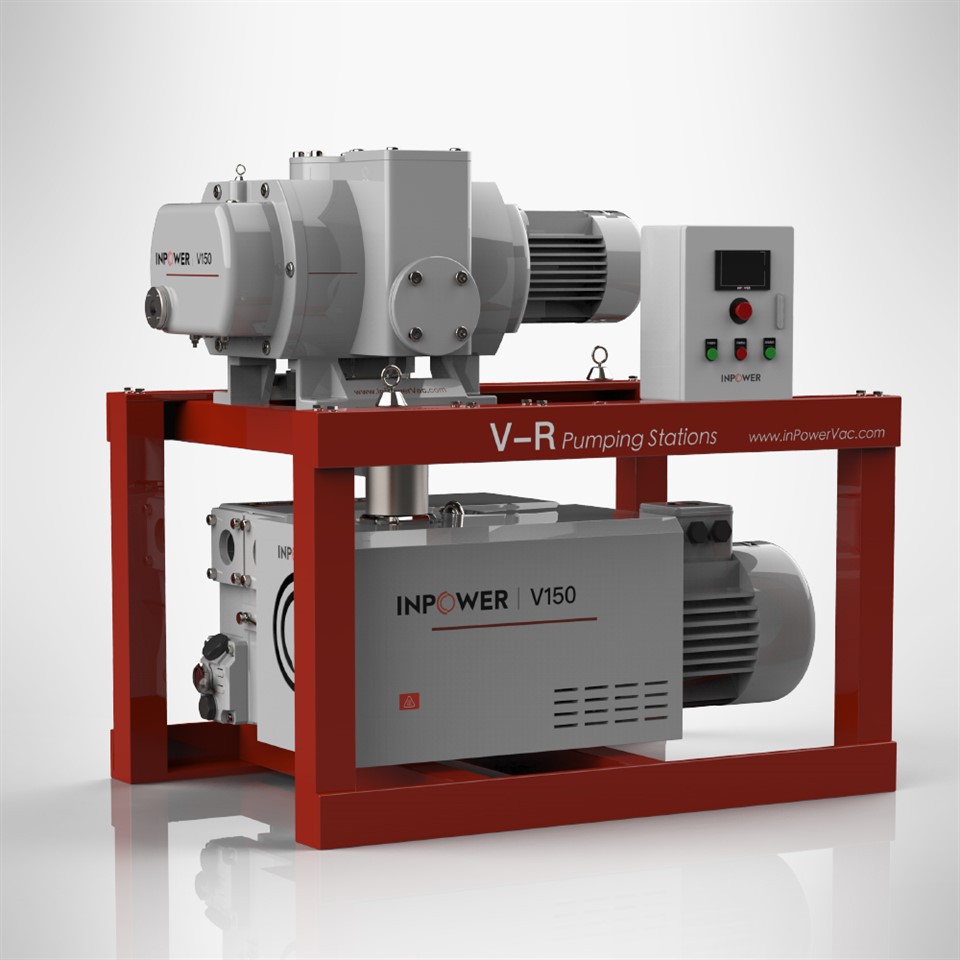
Low-vacuum Roots Pump
Low-vacuum Roots Pumps, widely used in distillation, vacuum coating, and food processing industries, are ideal for applications requiring low vacuum levels. These pumps utilize a pair of rotating lobes to create suction, providing high pumping speed in the medium vacuum range. With continuous operation and low noise levels, they offer reliable performance.
Medium Vacuum Roots Pump
A medium vacuum roots pump is specifically designed for medium vacuum applications. It utilizes a multi-stage design, providing increased pumping speed. This type of pump is commonly used in the chemical industry and semiconductor manufacturing, as it efficiently removes vapor and gases from the system. Additionally, it offers a compact and oil-free solution for various processes.
High-Vacuum Roots Pump
Roots pumps are known for their cost-effectiveness. With a long lifespan and low maintenance requirements, these pumps provide businesses with a reliable and economical solution. Designed for continuous operation, they reduce downtime and maintenance costs, ensuring smooth and efficient processes. Additionally, roots pumps are energy-efficient, helping businesses save on energy consumption and operational costs. Their compact design further adds to their cost-effectiveness, as it saves valuable space in industrial setups, optimizing the use of available resources. By investing in roots pumps, businesses can benefit from their cost-effectiveness without compromising on performance or quality.
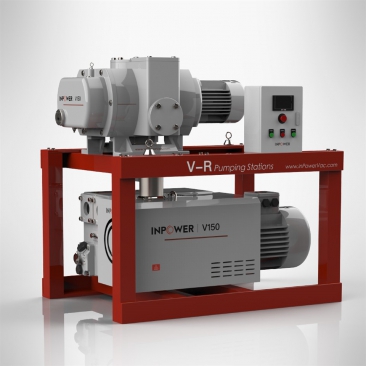
Roots vacuum pump is generally in the form of vacuum unit, because ordinary roots pump can not start and directly exhaust the atmosphere under normal pressure and high pressure, so it needs to be equipped with front pump. But not all roots vacuum pumps need to start the front stage pump, such as air-cooled Roots vacuum pump, wet root vacuum pump and multi-stage Roots vacuum pump.
The ordinary roots vacuum pump can only be started at 6000pa or even lower pressure, and has a stable large pumping speed between 1333pa and 1pA. Because roots vacuum pump has no internal compression characteristic, it is realized by external compression in the form of gas emission. Too high pressure and high-pressure operation will make the vacuum pump load too high, so that the rotor can not be too large in the compression process of heat dissipation, will produce too large expansion, resulting in the gap between the rotor and the pump cavity disappeared, that is, stuck.
The air-cooled Roots vacuum pump can not only work directly under atmospheric pressure, but also has a stable pumping speed curve in the high-pressure section, which can greatly shorten the pumping time in the pumping stage. Compared with other direct gas sealed pumps, the air-cooled Roots vacuum pump has good energy saving characteristics under high pressure.
Vacuum freeze-drying is a better method for dehydration of materials at present. It can freeze the freeze-dried material in advance, and then sublime the water of the material under the condition of low temperature and low pressure to achieve the purpose of dehydration. The sublimated water vapor is collected by condensation. After this vacuum freeze-drying operation, the material becomes a dehydrated material.
The substance after vacuum freeze drying has weak enzymatic effect, the original chemical and physiological properties are basically unchanged, the dried substance has a porous structure, the volume is basically unchanged, and it is easy to recover. It is particularly desirable that the material after vacuum freeze drying can be stored for several years without deterioration.
The vacuum unit is connected with the drying box and the condenser through vacuum pipelines and vacuum valves to form a sealed vacuum system. The vacuum unit is equipped with an electric contact vacuum gauge, which can automatically control the start of the Roots pump according to the pre-selected vacuum level. A vacuum butterfly valve is installed in the vacuum pipeline between the drying box and the condenser, which can be switched on and off at any time according to the requirements of use. The bottom of the condenser is equipped with a branch vacuum pipeline leading to the hot air blower. The middle valve is separated by a 50 butterfly valve. The function of this valve and the branch pipeline is to defrost and dry the condenser. The vacuum branch above the Roots pump is a separate When the mechanical vacuum pump is used, the passage is equipped with a solenoid valve. When the Roots pump is started, the valve is automatically closed.
The pressing machine is generally composed of 7 parts: rack (with working table), crimping wheel running part, pressing wheel driving part, steel mold rotating part, ultrasonic generator, ultrasonic transducer, electrical control part. Including frame, installed on the frame of the framework, installed on the frame connected with the external hydraulic system of hydraulic cylinder components, heat resistant plate up and down, up and down heating plate, the heating plate between the up and down the vacuum components and vacuum components can be line of transmission mechanism, its characteristics is described in the vacuum components including encircled the vacuum components connected to the transmission mechanism and in them the aluminum plate, located above the heating plate and the back-end and back-end connect the vacuum plate, aluminum plate aluminum plate and vacuum plate between the vacuum bag and circle the airbag and air sealing plate of vacuum components connected to the external gas path through a vacuum generator, Air – cooled Roots screw pump vacuum unit can be installed on.
Once the exhaust filter element has problems in use, it will affect the efficiency of Air Cooled Roots Vacuum Pump, and even lead to roots pump can not be used. Therefore, regular maintenance of the exhaust filter element can effectively keep it in good working condition.
Maintenance method of exhaust filter element of Air Cooled Roots Vacuum Pump
Cleaning: The exhaust filter element of Air Cooled Roots Vacuum Pump is made of special material, which is easy to be damaged and needs maintenance. After using for a period of time, some filtered impurities remain in the filter element of the vacuum filter. If the filter element is not cleaned in time, the pressure will increase and the transmitter will remind.
At this time, it is necessary to clean and clean the exhaust filter element of the vacuum pump. When cleaning, pay attention not to deform or damage the filter element, otherwise it will affect the reuse, reduce the filtration efficiency and even destroy the whole system.
Replacement: Before the exhaust filter element of Air Cooled Roots Vacuum Pump, water basin and towel must be prepared in advance. There are many ways to replace the vacuum pump exhaust filter element on the common vacuum pump filter. It must be replaced according to the standard method to avoid damaging the filter element and extending the service life of the exhaust filter element.
Air Cooled Roots Vacuum Pump usually adopts the form of vacuum unit, because the general Air Cooled Roots Vacuum Pump can not directly start and discharge air under atmospheric pressure and high pressure, so it needs to be equipped with a booster pump.
Our Factory
In 2019, inPowerVac conformed to the times, completed the handover of new and old leaders, started its own brand global trade and brand strategy, established the inPowerVac brand, and began to sell in the global market. Although we are constantly innovating, we still insist on producing high-reliability vacuum products.